Intermittent Fasting 101 – How to Start Burning Fat
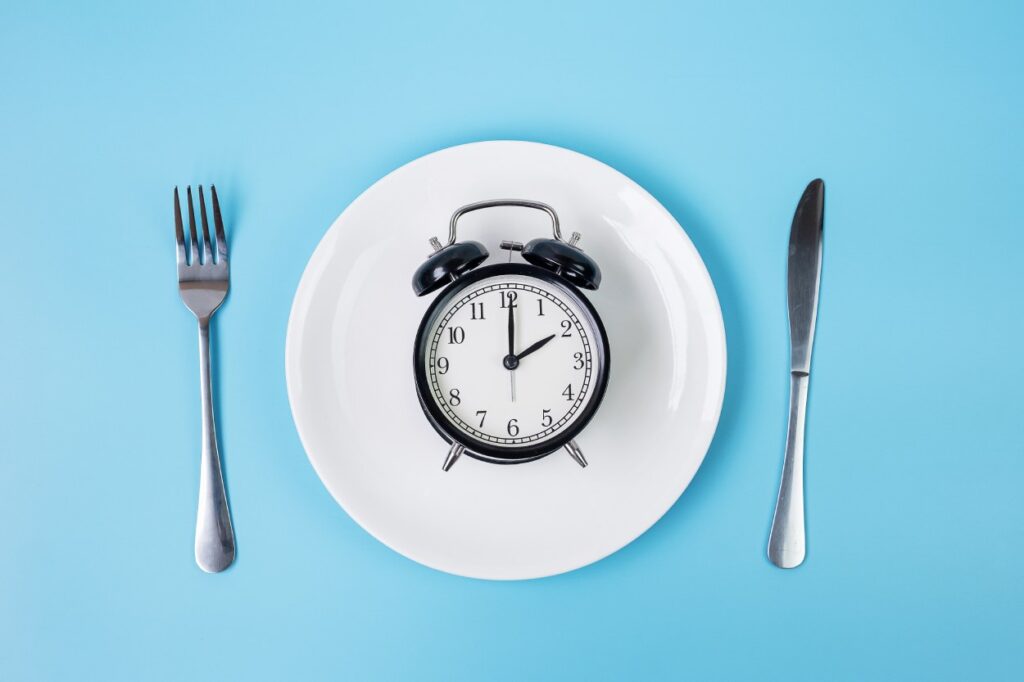
Posted Monday, August 23rd, 2010


Editor’s note: This is one of the most popular articles on this site since it was first written back in 2008. I’ve decided to give it an updated makeover for 2011 and re-release for your reading pleasure. Enjoy!

Starting Your Own “IF” Lifestyle

The biggest question I have gotten since starting this blog in 2008, is how to effectively use Intermittent Fasting (also known simply as “IF”) to achieve their goals and maximum results.

These results and goals can vary by each person with fat loss, muscle gain, better health, improved performance in your sport of choice and more. With that comes the individuality of what is a person’s insulin resistance, current body composition (bodyfat%), daily lifestyle, eating habits, macronutrient ratios (carbs/protein/fat), type of exercise program, frequency and volume of training, recovery demands, and so forth.

What I am trying to hint at is that you are unlikely to find large groups of people with the exact same set of parameters and responses to an intermittent fasting protocol.

What does this mean? Well just that you need to start with a basic intermittent fasting format, and then learn how to monitor results and adjust as you go.

Even down the road things will change as you will improve health, lower insulin resistance and maybe change performance and recovery needs. So nothing is really ever just one set way (as it shouldn’t have to be). Life is dynamic (always changing and evolving) and so should be the way we see our own journey for health and fitness.

What is Intermittent Fasting (IF)?

For those that may not be familiar to the term, intermittent fasting is just taking “intermittent” times of fasting (no food) and working them into your lifestyle. This can be either daily or a couple times a week (will get into that more below).

From what I have read/learned from years of independent research on reduced calorie intake and IF (**studies listed at end), the conclusions are that using short-term fasting may be effective when it comes to:

  • Reducing blood glucose and insulin levels (improving the state of the overall glucose metabolism)
  • Increasing fatty acid oxidation with increased FFAs (through increasing lipolysis hormones GH, glucagon and adrenaline)
  • Sparing and preserving muscle tissue (lean mass)
  • Increasing various health factors (lower inflammation, lower blood pressure, reduced oxidative stress, increased protection against neuro-degenerative diseases, and more)
  • Keeping the metabolism strong/healthy

There are also a multitude of lifestyle benefits such as not being a slave to eating all day long (like modern “diets” have brainwashed people into thinking…for profit), having more natural daily energy and focus, and even just learning how to enjoy eating once again (with good foods and friends).

“How do I Begin to Use Intermittent Fasting?”

Is there only one set way in which to use intermittent fasting? No, of course not.

I could easily come up with several different IF protocols based on people’s individualistic needs, lifestyle, exercise, goal, macronutrient ratios, and so forth. I am going to keep it simple and give the 2 most frequent options.

  • Longer IF 1-2x a week: This is taking a longer fasting period of say for up to 24 hours and repeating 1-2x a week. Note that 24 hours is not skipping a whole day, as stopping to eat on 6pm Tues and then having your next meal at 6pm Wed is 24 hours. I usually don’t talk about anything longer than 24-32 hours for using IF, as most research is usually based on that fasting window (even if some studies have more frequency with alternate day fasting).
  • Shorter More “Daily” IF: This means that it is done more than a couple times a week with a condensed eating window and less fasting than seen above. I also like to call this “Intermittent Feeding” instead of fasting. For example someone could be eating their calories in a 8-6 hour window more daily (and the fasting does happen around it).

With those approaches there are still many variables to include such as calories, activity/exercise, recovery needs, food choices, etc. In the end it is still about finding a way that does work for you. Picking the approach you think fits around your lifestyle best is going to lead to better results. Here are some of the pros and cons of each approach for you to consider.

Longer (24 hr) Intermittent Fasting 1-2x a week:

Some of the pros are:

  • Allows a person to make sure they are getting enough calories on the non-fasting days (as it is not supposed to be a “crash diet” overall…that never works)
  • Keeps meals simple on days that you use IF (usually just one main meal later in a day)
  • Pretty much allows you to eat “as normal” on other days (perhaps a better starting point for those that don’t want to change that up just now)

Some of the cons can be:

  • Still chance of overeating after a longer fast, making weight loss benefits not happen (calorie excess overall)
  • Less of a focus on daily healthy food choices (as even a skinny person can get heart disease and cancer)
  • Longer fasts are a bigger stress on the body, and may not be suitable for people who have already a high stress load or metabolic/blood sugar/health* concerns
  • May not work well with an already active lifestyle (excess stress overload and/or not enough nutrients for recovery)

More “Daily” Intermittent Fasting (or “Feeding”):

Some of the pros are:

  • Keeps eating schedule simple and more consistent (day after day)
  • Helps to break free from the mental concept of “needing” to eat all the time
  • Focuses more on the importance of nutrients and healthier food choices each day
  • Reduces the importance of “snacking” (which is a HUGE hidden factor leading to many weight issues nowadays)
  • Intermittent shorter fasting windows may be a less stressful starting approach for those with metabolic/blood sugar/health* concerns
  • Helps to focus also on lifestyle and stress balance overall to make it successful (which is all part of the equation)

Some of the cons can be:

  • Can possibly cause weight loss plateau if calories are still too low for too long (again not meant to be a “crash diet”)
  • May not be suitable for people with high calorie demands (activity) and still not eating enough overall

Wrapping it Up

Over the years I have adapted more of the “daily” IF approach without really planning. I like the more consistent daily strategy and freedom.

I eat anywhere from 6-10 hours a day feeding window with 2-3 meals, and then not worry about food outside of that. I focus more on healthy foods and the results come, while still being able to enjoy other splurges when I go out and eat/socialize. I’m not a slave to some mentality of “needing” to eat all day and enjoy the freedom that comes with that.

Heck sometimes on occasion I may even work in a 24 hour fast just because of my schedule, but there is more flexibility to how I eat now. I listen to my body and know what is right for me. Staying lean year round is easy once you can do that.

The key part of the IF experience is just starting with it and seeing how it works for you. Knowing how to change things up when they aren’t working. Making a lifestyle solution and not needing anyone to tell you how to eat again. That is how you find that freedom and results that last.

*Important Disclaimer: IF is intended only for healthy adults. I am NOT a doctor/nutritionist/dietitian nor has anything said here been approved by the FDA for treatment of any disease (see site terms for full disclaimer). Everything above is for informational purposes only. If you choose to use intermittent fasting, it is of your own free will and you assume all the risk.
**Mattson MP, Wan R. Beneficial effects of intermittent fasting and caloric restriction on the cardiovascular and cerebrovascular systems. J Nutr Biochem. 2005 Mar;16(3):129-37
Anson RM, et al. Intermittent fasting dissociates beneficial effects of dietary restriction on glucose metabolism and neuronal resistance to injury from calorie intake. Proc Natl Acad Sci U S A. 2003 May 13;100(10):6216-20.
Carlson O et al.Impact of Reduced Meal Frequency Without Caloric Restriction on Glucose Regulation in Healthy, Normal Weight Middle-Aged Men and Women. Metabolism. 2007 December; 56(12): 1729–1734.
Johnson JB et al. The effect on health of alternate day calorie restriction: eating less and more than needed on alternate days prolongs life.< Med Hypotheses 2006; 67(2):209-11
Camandola S et al. Intermittent food deprivation improves cardiovascular and neuroendocrine responses to stress in rats. J Nutr. 2003 Jun;133(6) :1921-9
Kozubík A, Pospísil M. Protective effect of intermittent fasting on the mortality of gamma-irradiated mice. Strahlentherapie. 1982 Dec;158(12) :734-8.;
Johnson JB et al. Alternate day calorie restriction improves clinical findings and reduces markers of oxidative stress and inflammation in overweight adults with moderate asthma. Free Radic Biol Med. 2007 Mar 1;42(5):665-74
Varady KA et al. Modified alternate-day fasting regimens reduce cell proliferation rates to a similar extent as daily calorie restriction in mice. FASEB J. 2008 Jun;22(6):2090-6
Moosavi SA et al. Evaluation of the effect of Islamic fasting on lung volumes and capacities in the healthy persons. Saudi Med J. 2007 Nov;28(11):1666-70
Aksungar FB et al. Interleukin-6, C-reactive protein and biochemical parameters during prolonged intermittent fasting. Ann Nutr Metab. 2007; 51(1):88-95
Martin B, Mattson MP, Maudsley S. Caloric restriction and intermittent fasting: two potential diets for successful brain aging. Ageing Res Rev. 2006 Aug;5(3):332-53
Jones PJ et al. Meal frequency influences circulating hormone levels but not lipogenesis rates in humans. Metabolism. 1995 Feb; 44(2): 218-23
Chakravarthy M, Booth F. Eating, exercise, and “thrifty” genotypes: connecting the dots toward an evolutionary understanding of modern chronic diseases. J Appl Physiol 96: 3-10, 2004
Halagappa VK et al. Intermittent fasting and caloric restriction ameliorate age-related behavioral deficits in the triple-transgenic mouse model of Alzheimer’s disease. Neurobiol Dis. 2007 Apr;26(1):212-20
Katare RG et al. Chronic intermittent fasting improves the survival following large myocardial ischemia by activation of BDNF/VEGF/PI3K signaling pathway. J Mol Cell Cardiol. 2009 Mar;46(3):405-1
Stote KS et al. A controlled trial of reduced meal frequency without caloric restriction in healthy, normal-weight, middle-aged adults. American Journal of Clinical Nutrition, Vol. 85, No. 4, 981-988, April 2007
Verboeket-van de Venne WP, Westerterp KR. Influence of the feeding frequency on nutrient utilization in man: consequences for energy metabolism. Eur J Clin Nutr. 1991 Mar;45(3):161-9.
S. Klein et al. Importance of blood glucose concentration in regulating lipolysis during fasting in humans. Am J Physiol Endocrinol Metab 258: E32-E39, 1990
Yang S. Fasting every other day, while cutting few calories, may reduce cancer risk. Univ of California release, 2005-03-14
Bellisle F et al. Impact of the daily meal pattern on energy balance. Journal of Nutrition, Oct 2004
Bellisle F et al. Meal frequency and energy balance<. Br J Nutr. 1997 Apr;77 Suppl 1:S57-70.
Kirchgessner W et al. Thermogenesis in humans after varying meal time frequency. Ann Nutr Metab. 1987;31(2):88-97.
Taylor MA et al. Compared with nibbling, neither gorging nor a morning fast affect short-term energy balance in obese patients in a chamber calorimeter. International Journal of Obesity (2001) 25, 519-528
Cameron JD et al. Increased meal frequency does not promote greater weight loss in subjects who were prescribed an 8-week equi-energetic energy-restricted diet. Br J Nutr. 2009 Nov 30:1-4.
Johhson JB. The effect on health of alternate day calorie restriction: eating less and more than needed on alternate days prolongs life. Med Hypotheses. 2006;67(2):209-11.
Mattson M. Dietary factors, hormesis and health. Ageing Res Rev. 2008 Jan;7(1):43-8.
Anson RM el al, Intermittent fasting dissociates beneficial effects of dietary restriction on glucose metabolism and neuronal resistance to injury from calorie intake. Proc Natl Acad Sci U S A (2003) 100: 6216-20.
Johnson JB et al. Alternate day calorie restriction improves clinical findings and reduces markers of oxidative stress and inflammation in overweight adults with moderate asthma. Free Radic Biol Med. 2007 Mar 1

Did You Like This?

Get Daily Updates on Facebook/Twitter

**NEW** As of 2012 I am getting more active daily on my new "2 Meal Mike" Facebook and Twitter accounts. Come join in on the fun and say Hi!

About the Author

"2 Meal" Mike (O'Donnell) is a fitness trainer and coach promoting the simple 2 Meal lifestyle philosophy for lasting results. The IF Life was created in 2008 and strives to help people break free from complicated and be lean/fit with minimal effort (and maximum happiness). Get all new blog posts sent to you by entering your email below.

(or get RSS feed here)

Comments/Discussion

Got a comment or insight you want to add to this topic? Then please feel free to continue the discussion below. Please use your real name and not just your website (I will remove spam comments).

{320 Comments. Read them below or add one}

  1. Greg Battaglia

    Great post Mike. Good insights for beginners.

    ReplyReply

    Like or Dislike: Thumb up 1 Thumb down 0

    [Reply]

  2. Mike OD

    Thanks Greg, soon I would like to start getting success stories from other veteran IF people (like yourself) for people to understand more views on IF and how to integrate it. In the end, success just comes from understanding how IF works and how to apply and adjust to one’s lifestyle and needs (which can always be changing). Hopefully this will be a good step in that direction for anyone starting off or unsure of what to do.

    ReplyReply

    Like or Dislike: Thumb up 0 Thumb down 0

    [Reply]

  3. Ben Moskowitz

    when you say unlimited…what about drinking multiple cans of coconut milk? It’s easy for me to quantify protein requirements, and I have a guesstimate about carb requirements (zone for CrossFit-style WODs, something less for strength training, even less for O-lifting), but…

    The fat requirements have been eluding me. I think I’ve messed up before by
    1) eating all day
    2) eating til full and/or stuffed
    3) not eating enough veggies
    4) eating way too much fat

    I packed on 15 lbs. in a week or two. Some muscle included.

    Now I
    1) eat more veggies
    2) eat 1 piece of fruit in the AM
    3) drink 1L milk PWO
    4) get 1g/lb bodyweight or more of protein (did this before too)
    5) eat fat until satiety/fullness
    6) still eat all day, but I’m trying to implement the no food before bed rule at least.

    On this protocol, I’ve noticed a gradual slide in bodycomp.

    I don’t think I want to implement IF until I get the rest of my eating figured out (as you recommend).

    ReplyReply

    Like or Dislike: Thumb up 0 Thumb down 0

    [Reply]

  4. Mike OD

    Ben – definitely nail down your nutritional eating first before taking on IF full time (or just IF 1x a week if you want to start slow). Your activity level is definitely very high with CF and the hours of O-lifting you do, so your requirements for recovery are much higher than the average person. You are doing the right thing by taking control of what you eat and changing things up to see how they are affecting you. (as only you will know what works and what doesnt for your goals). Remember that even fasting 1x a week may not only improve digestion but in turn increase protein utilization, which means you get more of those amino acids into the muscle for rebuilding. Remember the old saying, if it isn’t working…stop…and change something up.

    Also if you are looking at fat loss, go over my other post on Fat Loss 101 to make sure you are taking all those parameters into account too. Remember, master the basics first.

    ReplyReply

    Like or Dislike: Thumb up 0 Thumb down 0

    [Reply]

  5. Jason N

    Wow, great articles so far. And very timely for me as well – thank you very much.

    Now on to my questions. I have jumped right in to IF. I have been zoning for almost a year, BF is low, diet is good.

    My crossfit has been a mixed bag lately – weight on ME days has been going up somewhat, but the metcons are stagnant. So one thing I want is to increase my performance on the metcons.

    Second is the little bit of BF I have hanging around my belly button / sides of the back. It is entirely vanity, but I had promised myself a long time ago to get rid of it and I want to see it through. Many have said it can’t be done so it is a mission for me.

    So what I have done: Sunday I began my fast at 7:00pm, didn’t eat until Monday at noon. I packed enough food to cover the fasting period. Wednesday I wanted to try it differently – I had breakfast and then didn’t eat until Thursday Breakfast. But now I have to eat all the food I didn’t eat yesterday and I am feeling stuffed. I think the first one was easier to do food wise.

    My plan (which I hope to have critqued) is to daily fast 1 or 2x a week which will work with my life constraints quite well. On non fasting days I will eat zone friendly until full but no more. Hopefully this reduction in calories will not be detrimental. I will up my fat intake from zone to 2 or 3x via Almond butter and olive oil.

    Does that sound like a plan to begin?

    ReplyReply

    Like or Dislike: Thumb up 1 Thumb down 0

    [Reply]

    MADISON Reply:

    I like this approach. Today is my first day.

    I ate last night at 630, then nothing until 1:30 today. I did a workout this am with weights and light cardio, and I am still doing ok at 11.

    I think the mental part is hard.. not thinking about food so much. I know I can do it, though:)

    ReplyReply

    Like or Dislike: Thumb up 0 Thumb down 0

    [Reply]

  6. Jason N

    Hmm, now that I rethink it, upping my fat intake will up my caloric intake considerably – maybe I shouldn’t fret eating sligthly less on a few days a week?

    ReplyReply

    Like or Dislike: Thumb up 0 Thumb down 0

    [Reply]

  7. Mike OD

    Jason – Remember this is not about long term CR (Calorie Restriction). While you have short eating windows and should get in a lot of quality calories, chances are it is always going to be less than your full eating days (esp if you are eating healthy). A great side benefit of IF is that people found they needed LESS calories overall to maintain muscle and performance. For example if you ate every day and needed 3000cal to maintain muscle and performance (note that 3000 is alot to most people unless they are very active like yourself), you may find that on average with IF you only now need 2500 calories. You will see plenty of studies that show that longer lifespan is associated with lower calorie intake (think of it like miles on the car, less you drive the longer it will probably run). Zone without modifications (xfat multipliers) is a low calorie plan already, so make sure you are getting in enough calories on the eat days to offset the lower intake on the fast days. In the end…you try something….see what happens….dont be afraid to change things up especially if you are seeing negative results anywhere. Performance I believe is directly proportional to your strength, lower BF% and most importantly recovery ability (which can be tied to calories needed, quality of food, macronutrient uptake/utilization, gut health and sleep).

    ReplyReply

    Like or Dislike: Thumb up 0 Thumb down 0

    [Reply]

  8. Ben Moskowitz

    Oh, I’m not doing CF right now, just O-lifting/strength training. But it’s some pretty intense stuff. I occasionally rock climb or fence. I guess it’s better to be on the high side of calories in a muscle building activity than the low side, but I’ll play around with it.

    I’m also starting to play around with some kettlebell stuff, but I’m trying to up the volume and intensity slowly so I don’t overdo it. Right now it’s “practice.”

    Keep up the awesome posts!

    ReplyReply

    Like or Dislike: Thumb up 0 Thumb down 0

    [Reply]

  9. Jason N

    So while IF is not about caloric restriction, in the end you end up with less calories anyways, as a collateral effect?

    I haven’t calculated my calories in a while – I think I will today.

    So you are saying stick with my fasting plan for a bit, eat good calories to satiety, sleep well, check performance and see.

    What about the fat increase specifically? Is it a good way to increase calories?

    ReplyReply

    Like or Dislike: Thumb up 0 Thumb down 0

    [Reply]

  10. Mike OD

    Ben – sounds like fun. Find the activities that you enjoy…and the more variety the more enjoyment you will also probably get!

    Jason – That is the nice effect people have noticed while on IF, maintaining with less (which fits into the whole longevity aspect of health). If I were to guess it would be the increased gut health/digestion (as well as decreasing insulin resistance and making your muscles more insulin sensitive) therefore you are able to more effectively use what you eat….like instead of only really utilizing say 80% of the protein you put in….you can now work at a 90% efficiency rate…so your total intake is lower, but your real usage in rebuilding the muscles is the same) People who have increased their fat intake are usually doing so because their activity level is higher than average, so if that is your lifestyle then it can be effective in making sure your performance level doesn’t drop. You will also benefit from muscle glycogen replenishment of course (adding in more pwo healthy carbs after glycolitic based training). All depends on your sports and activities.

    ReplyReply

    Like or Dislike: Thumb up 0 Thumb down 0

    [Reply]

  11. Val

    Mike,

    Greetings from one of the IF newbies.

    I’ve been cleaning up my diet, which for me primarily means avoiding fast food and preparing my own meals. I’ve been following your dietary advice regarding eating a clean. So, I know what I should eat. It’s just that if I get hungry and I’m not prepared, I will eat anything in front of me – its Girl Scout Cookie time in my office, so the temptation to cave into my sugar cravings is everywhere.

    Anyway, as I experiment with closing my eating window, I have been getting used to that empty hollow feeling in the pit of my stomach. What is that? Oh yeah…hunger. I actually forgot what that feels like. And, I have to fight the urge to eat just because that nagging feeling is there. It’s really interesting.

    We’re not allowed to be empty in the land of plenty. Eat, eat, eat. Don’t get me wrong, I feel blessed to have such abundance when so many people are starving throughout the world. But, this is really an interesting experience. I am not starving. I’m just giving my body a break. I actually have to tell myself that. You will eat again tomorrow. Relax!

    Anyway, I’m sleeping like a rock these days which is awesome. I deal with insomnia from time to time – I can fall asleep, but I just can’t stay asleep. I’m not having that problem on the days that I stop eating mid-afternoon and resume at lunchtime the next day. I’ve only done this a few times so far, but the sleep alone encourages me to do more. I’m convinced that part of my weight problem has to do w/ lack of sleep and way-to-stressed-out days in the office.

    Anyway, I’ll report more specific results when they actually start to show in numbers (scale weight, inches lost, etc.) But, I’m not expecting immediate results. I’m just re-starting my exercise program, and I’m trying to enjoy the process rather than being so results-oriented.

    Thanks again for your blog. I’m so encouraged by all of the feedback you’re receiving and look forward to learning all I can.

    ReplyReply

    Like or Dislike: Thumb up 0 Thumb down 0

    [Reply]

  12. Mike OD

    Val – You will be amazed at how many issues are really traced back to lifestyle (such as lack of sleep, stress, and so forth). If you look at the body in a simple manner and how it was “designed” to respond, you can understand why so many people have health issues nowadays. Our stress response was primal survival…like a tiger came running into your village and you better start running or climbing a tree. Fight or Flight for quick survival….not 8+ hours of worrying about things that you can not control around you (thanks to all the negative sources like the news) and other items that are more “society” based and not “nature” based. Eating clean will definitely go a long long way to improving your health…and just remember that if you “crave” something tell yourself that if you eat sugar that you are telling your body “I don’t want to burn fat for the next 3 hours!” (See the Fat Loss 101 post). Drink lots of water too, that will help with cravings. Getting adequate protein and veggies will help fill you up. Sugar is addictive, so any period of withdrawl will of course be tough, but you will not miss it once it is gone from your diet in just a short time. Make sure also that you are not “starving” yourself with too low calories, or give yourself a free day to eat more often like the weekends. Eat light during the day and make your evening meal your bigger meal around 6-7pm. Play around and I am confident you will find a way that works for your lifestyle! We look forward to hearing on your progress! We have a diverse crowd of everyone from advanced athletes to beginners in weight loss, so your feedback I am sure will be helpful to alot of people out there! (I also started a Success Story page for people to hopefully start sharing their success stories who have done IF already, or practice other IFLife principles like simplicity, with everyone)

    ReplyReply

    Like or Dislike: Thumb up 0 Thumb down 0

    [Reply]

  13. Jim

    I just made it through my first crossfit workout while fasting. I was nervous about doing this, but it went okay. I light headache during warm-ups, but the workout went fine.
    I am very excited about IF and this website. I think it is going to be a great insight for many people.
    This is my 5th day of IF and it is much easier than I thought it would be. Much easier than CR, which makes me feel hungry all day. So far on IF I have felt hungry only a couple of hours on 19 hour fast, and have loads on energy mid morning, when I would normally feel sluggish.
    Thank you very much for all the info, and keep up the good work!

    ReplyReply

    Like or Dislike: Thumb up 0 Thumb down 0

    [Reply]

  14. Mike OD

    Jim – good job! As long as you are eating enough to recover and not constantly CR, then your performance should be fine. If you notice a dip in performance then it may be a sign of over-training/under-recovering. (which may happen if you do too many glycolitic based training workouts and do not recovery your muscle glycogen for the next workout) At that point you need to mix it up and focus more on recovery with your food and exercise planning. The little hunger throughout the day keeps me more mentally “sharp” and not “cloudy” like some may feel after a huge lunch and then back to work.

    ReplyReply

    Like or Dislike: Thumb up 0 Thumb down 0

    [Reply]

  15. Jim

    Mike,
    Thanks for willingness to be so helpful.
    I am only doing cross fit 3X a week right now and may add a day in a couple weeks. So I am probably not going to over train.
    Non the less, how can I recovery my muscle glycogen.
    It is important to me not to loose too much muscle.
    (I understand I am likely to loose some while loosing weight.) I have been having a protein shake as my first meal and right after the workout. Is this a good idea. I understand shakes may not be ideal, but I have a hard time getting enough protein and I can not eat real food after working out.
    Thank you again for all your help.
    By the way, Scott from Crossfit Portland told me about your site.
    Cheers,
    jim

    ReplyReply

    Like or Dislike: Thumb up 0 Thumb down 0

    [Reply]

  16. Mike OD

    Depends on your goals, if weight loss is your goal (make sure to read the Fat Loss 101 article) you are definitely wanting max GH. So spiking insulin right after the workout is not ideal, wait an hour and try for more whole food carbs/protein. Your insulin sensitivity (ability for muscle to uptake blood glycogen into muscle glycogen) is peaked post workout (30min-3 hours) so having some (not a ton..but the majority of your daily intake) of carbohydrates (more complex, not veggies) along with protein has shown to ncreased uptake into the muscle than carbs alone. I even think amino acids just pre-workout 30min might even give a great uptake into the muscle than just a whey shake pwo (because it still has to be broken down). There is no need to lose muscle while doing any program, just keep your protein intake high and your body won’t need to break down the muscle (unless there are other factors like overtraining for hours and longer fasts of like 30+ hours). Lots of ways to play with it all, but I like the golden rule of protein+veggies+fat for most meals, protein+carb pwo.

    ReplyReply

    Like or Dislike: Thumb up 0 Thumb down 0

    [Reply]

  17. Joel

    Mike,

    Thanks for an excellent summary. Until now, Dr. Eades’ original entry on ADF was (in my opinion) the best online overview of IF. Your entry has just taken the top spot.

    Keep up the good work.

    ReplyReply

    Like or Dislike: Thumb up 0 Thumb down 0

    [Reply]

  18. Mike OD

    Joel – Thanks for the kind words, however I don’t want to take anything away from Dr Eades….he is much smarter than I am! :D

    ReplyReply

    Like or Dislike: Thumb up 0 Thumb down 0

    [Reply]

  19. Jef

    Did I miss something? I didn’t see “24 hours on / 24 hours off” as one of the I.F. options? I thought THAT schedule was the one upon which all experimental results are based.

    ReplyReply

    Like or Dislike: Thumb up 0 Thumb down 0

    [Reply]

  20. Being Peace

    Conscious Eating: How To Become More Aware Of Your Eating Habits

    photo credit: *clairity*

    Why you should become more aware of your eating habits?
    Many peaple don’t want to think about their eating habits until they have a weight issues or bad health, and are recommended by their doctors to either change …

    Like or Dislike: Thumb up 0 Thumb down 0

  21. Mike OD

    Jef – Depends on which study you are referring to. (some are listed in the Resources section…I have more to add too) One could be based on alternate day CR fasting (just lowered cal intake), others could be ramadan style of fasting, or 100% fasting day(s). Most people also confuse 24/hr fasting with eating only every other day, that is not 24 hr fasting. If you stop eating at 6pm on Mon night, fast all day Tues and then eat 8am Wed, that is actually 24hours (to 6pm Tues night) + another 14 hours to 8am Wed (if my math is accurate here) for a total of 38 hours fasting…which is alot for most people (especially if you are very active or wanting more muscle gain). You can easily fast for 24hours if you stop eating 6pm Mon and don’t eat again till 6pm Tues (some people do this). I would only caution that people start slow who are new to IF to get used to the “hunger” feeling and to make sure they do not binge eat on crappy foods as a result of it. Lots of options for IF, and the right one is the one that effectively fits into your lifestyle and gets you the positive results in health and fitness. One person’s style of fasting may not be the same as the next, as we all have different lifestyles and goals.

    ReplyReply

    Like or Dislike: Thumb up 0 Thumb down 0

    [Reply]

  22. Sarena Kopciel

    I was IFing pretty religiously for about 6 weeks with fast lengths up to 19ish hrs or so. More recently when I started Oly training about 5x weeks in the morning, my coach was pretty adamant about my training fasted. I did see the difference as I was better able to focus, lift heavier and not feel totally crashed when done. Had I been training in afternoon, this may be a totally different experience.

    Now I generally IF in weekends or non training days only. I do notice now and in the past, I am able to deal with hunger –anyway that usually passes. But at a certain point, I get so FREEZING cold (yeah in CAPS) which is generally something I cannot ignore and usually signifies I must eat asap. Is that normal?
    For example, I ate a good (very plentiful) paleo meal Fri nite. Had friends over and sat at table a long time (prob 2 hrs) until maybe 830ish. I had planned on morning meal/Sat lunch around 12noon. However at 1130 (about 15ish hrs), I was so frozen that I knew I had to eat immediately. (It was also that time of month!!). Do you think this occurrence is normal? Something to act upon? Perhaps I should monitor if that happens regularly when I am PMS or during cycle? Thoughts, comments welcome please!

    ReplyReply

    Like or Dislike: Thumb up 0 Thumb down 0

    [Reply]

  23. Mike OD

    Serena – watch out you are not too low on calories too often, as you can slow down your metabolism and thyroid output. Signs of low thyroid can include feeling cold, constipation, hair loss, brittle nails, insomnia, headaches and yes even weight gain. Other than it just being cold in NY and your lower BF makes you more sensitive. Coconut Oil is supposed to help with the thyroid, that and just taking some days off and eating…whatever you want. You may notice a difference. Moitor what happens and what changes you made, you can hopefully figure what works best.

    ReplyReply

    Like or Dislike: Thumb up 0 Thumb down 0

    [Reply]

  24. Hannah

    Alright, I’m gonna need some help here…

    For starters, I’m only 17, and I’m female so I don’t know if that matters much.

    What about eating in the morning (6am) and then waiting til about the same time (6pm) to eat again?

    See, I am never hungry in the morning so usually what happens is… I just eat once around 6.

    I know this is probably absolutely terrible for my body as I was taking in only about 400 calories every day (don’t get too mad yet).

    I can’t eat right before I work out (around 4pm) … so that leaves me with just that one meal at six.

    Art De Vany recommends waiting an hour after you work out so that’s roughly 6pm… but he also says big meals (500+ calories i believe) shock the heck out of your metabolism so I don’t want to do that.

    What are your thoughts on what I should do?

    I can in no way do lunch as I do not have a lunch period… due to special arrangements in the school system, really, I go to a tech class that is about a half-hour drive from my school.

    I would love it if I could get some advice…I’m after weight loss, of course, you probably guessed (:

    I’m only 5’1” and about 140lbs… a bit overweight.

    Thanks!

    ReplyReply

    Like or Dislike: Thumb up 0 Thumb down 0

    [Reply]

  25. Mike OD

    Hannah – not eating will only lead to your metabolism shutting down and that of course will never get you weight loss. Remember that IF is not about starving yourself, it’s just about getting enough calories while also giving your digestive system breaks for health. You also do not want to eat all your calories in one sitting (like trying to take in 1000cal at night) as that will also just lead to weight gain. Schedules are hard, but you have to try and see what you can do. With your schedule IF may not be ideal until you can learn how to get enough healthy calories in during the day. Start with a breakfast of mostly proteins and some fruit. Avoid other sugars. Hopefully that will sustain you during the day for energy without any crashes. You can snack on small amounts of nuts during the day if you need something portable (almonds, walnuts, etc). I would of course also recommend lunch (even if it is snacking on something you can bring) You should have something to eat @ 30-60min before your workout (especially if you are not eating since breakfast) assuming it is resistance based, or you will just eat up your muscle. This is one of the few instances I would say go get one of those zone bars or something easy to carry around all day. Eating a healthy dinner of course. On the weekends try to get more frequent meals and tell your metabolism that you are not stranded on a desert island and need to survive on 400 cal a day. That kind of emergency signals will only lead to other health issues (as it has to lower some processes like the immune system). Monitor what you do and note any changes, if it works stick with it….if it doesn’t find a way to change it up. So first things first, get your metabolism back up with more calories from high quality foods (lean proteins, healthy fats, fruits, veggies). Worry about IF later if you choose to use it and start slow (like 1x a week). Hope this helps to start you down the road to losing weight and being healthy.

    ReplyReply

    Like or Dislike: Thumb up 0 Thumb down 0

    [Reply]

  26. rich

    Great post and great site! Thanks for making it. I’ve got some experience with fasting, though mainly long fasts. Currently on my ninth and final day of current fast, which I’m using to kick start a transition into an IF regime, and your site (especially this 101), has been very useful. Thank you! rich

    ReplyReply

    Like or Dislike: Thumb up 0 Thumb down 0

    [Reply]

  27. Mike OD

    Rich – Good luck on your IF routine. Let us know how it works for you!

    ReplyReply

    Like or Dislike: Thumb up 0 Thumb down 0

    [Reply]

  28. Hannah

    Alright (:

    Well lately, I think it’s a bit of an improvement…

    …but eating right when I get home (2:30pm) working out 3.30-4… and then eat at 5, again at 7, 7:30ish.

    So is that better you think?

    Do you recommend that I eat once in the morning (6am) and fast during the day and continue the schedule I have lately?
    Or is that still not enough calories you think?

    Of course, I eat all day on the weekends (:

    I will see how this works out for me…

    Maybe I will just try to bring food to school and on the days I forget it… well, there’s my IF for the day. (:

    ReplyReply

    Like or Dislike: Thumb up 0 Thumb down 0

    [Reply]

  29. Mike OD

    I would stay step one is just eating healthy. Once you get that down, then you can play with some IF here and there, but your body needs nutrients/vitamins/minerals from whole foods (not the supplement kind) to rebuild all the millions of cells over and over again. If your metabolism is also down because of low calories, it will take more calories to get that back up and running to speed. Remember there are plenty of thin people who get sick too. So go for health first, and a healthy body will always want to burn fat and build muscle. It’s not a race, just a journey….so enjoy it every day and see what happens.

    ReplyReply

    Like or Dislike: Thumb up 0 Thumb down 0

    [Reply]

  30. Hannah

    Ok (:

    And as usual, thanks for your speedy reply (:

    ReplyReply

    Like or Dislike: Thumb up 0 Thumb down 0

    [Reply]

  31. Jared

    I’m interested in IF and I want to try it. I have always been a follower of a grazing style of eating where I eat smaller portions more often, I assume to keep the metabolism running. I think I might try fasting 1-3 times a week but I don’t want to try a full 24 hours yet. Is there a better eating window to observe on my fasting days.

    For example: Would it be more beneficial to eat in the morning to jump-start my metabolism and then fast for the rest of the day?

    I also want to try the paleo diet but I live on a college campus without a kitchen. Do you have any suggestions for easy ways to eat healthy with limited food prep options and difficulty of keeping perishable items?

    Thanks

    ReplyReply

    Like or Dislike: Thumb up 0 Thumb down 0

    [Reply]

  32. Mike OD

    Jared – Like in the article above you could try some days of smaller eating windows like noon-7pm. Remember too that 24 hour fasting is not skipping a whole day, but eating until say 6pm on Mon, and then not eating till 6pm on Tues. When you want to eat is up to you, although most people enjoy not having a full stomach during the day and bigger meals later on (more mental clarity and energy throughout the day). #1 though make sure you are not starving yourself and get in enough quality foods during the day. Limited food prep can include frozen veggies (steam or micro if needed), canned tuna/sardines/salmon (make sure you get anything canned in water…not oil), bags of nuts (almonds, walnuts), beef jerkey, olive oil. Make due with what you can.

    ReplyReply

    Like or Dislike: Thumb up 0 Thumb down 0

    [Reply]

  33. Michael C

    What about the post workout protein shake during an IF day ? That shake with water, can have at least 380 calories. Is that defeating the purpose of the fasting day?

    ReplyReply

    Like or Dislike: Thumb up 0 Thumb down 0

    [Reply]

  34. Mike OD

    Michael – depends on a few things like what kind of fasting are you doing? Is the pwo meant to break the fast and eat from that point on? Yes anything that you eat or drink breaks a “true” fast. Also what are your goals and training? PWO shakes are really not neccessary especially if your goal is weight loss. Lots of variables. I believe we also talked about pwo options in the comments section of this post: http://theiflife.com/iflifeblog/2008/02/25/fat-loss-101-master-the-basics/
    Basically for fat loss many do well to skip the pwo shake that spikes insulin, let your GH stay high and then eat a whole food meal of protein and complex carbs an hour or so afterwards. There are also options of amino acid supplementation pre and post but that depends again on your goals and training volume (or recovery needs). I would skip anything that is going to be high in sugar pwo as you don’t need it unless you are training consistently at a very high glycemic based volume.

    ReplyReply

    Like or Dislike: Thumb up 0 Thumb down 0

    [Reply]

  35. Doug Blankenship

    Hello Mike,
    I eat a strict Paleo diet right now and take in about 2400 cal’s a day almost every day and would like to do IF. I’m 27, 5’11″, 24% BF, 174 or 185 LBM (I can’t recall exact number but it is one of those) and current weight is 236.5 as of a few minutes ago. I do crossfit 6 on 1 off and am trying to shed excess body fat.

    I used to weigh in at 329# and have worked my butt of to get where I’m at now and woulld like to get to 200# with IF help.

    I have the plan of attack already laid out regarding the IF times I will start 3 times a week doing 16 hours fast, but reading the warnings above I’m concerned about getting enough calories.

    Is there some real tale, tale signs that will let me know if I need more calories?

    Also, just to double check only water is allowed during fasting correct?

    Thanks ahead of time for any help and keep up the great work.

    Doug

    ReplyReply

    Like or Dislike: Thumb up 0 Thumb down 0

    [Reply]

  36. Mike OD

    Doug – 6 on and 1 off is pretty tough training schedule, make sure you don’t overdo it. Getting calories in a smaller window of “clean” foods is always harder than junk foods. Remember that 85-90% of your weight loss comes from eating, exercise can help too but it’s not the big factor. For more on all that check out the fat loss 101 post. If anything you will not be recovering and feel tired and workouts will start to diminish (lower performance) if your cal intake is too low. Make the first priority getting enough protein and then add in the fats/carbs around it. Fasting on water is the ideal as you do not want an insulin response (or water with ACV…apple cider vinegar…as that has many other health benefits too). Start off and see what happens. Beware of things like diminished performance, feeling weak or tired, or even a stop of weight loss…that would be the sign to change something up as your metabolism may be slowing down and you are not eating enough to recover. Well done on the weight loss so far and keep up the good work! Just remember….if something isn’t working in your IF plan…just change something up till you start seeing progress again. (or in the case of overtraining take a couple days off)

    ReplyReply

    Like or Dislike: Thumb up 0 Thumb down 0

    [Reply]

  37. Doug Blankenship

    Hello Mike OD,
    Thanks for all of the great information on IF, I will give it a soild try and see what happens. The warning signs seem pretty simple and I will keep a good look out for them.

    Thanks again Mike,
    Doug B.

    ReplyReply

    Like or Dislike: Thumb up 0 Thumb down 0

    [Reply]

  38. Mike OD

    Doug – Yep just make sure you are not either over-training, under-recovering, depressing your immune system, losing muscle, or slowing down your metabolism too much….and you will be fine. Just remember there are no “set” rules to IF…just have to start and learn how to tweak all the variables along the way to get you results. When in doubt….more protein and healthy fats always seem to be the answer. Enjoy the journey! You’ll get the results and the simple lifestyle to go with it….many people do.

    ReplyReply

    Like or Dislike: Thumb up 0 Thumb down 0

    [Reply]

  39. The IF Life - Intermittent Fasting and Instant Freedom » General IF Q&A and Reader Comments

    [...] Of course I would first say read my post on IF 101. To sum up quickly you can daily fast with a small eating window every day (my choice) or you can [...]

    Like or Dislike: Thumb up 0 Thumb down 0

  40. The IF Life - Intermittent Fasting and Instant Freedom » General IF Q&A and Reader Comments

    [...] Of course I would first say read my post on IF 101. To sum up quickly you can daily fast with a small eating window every day (my choice) or you can [...]

    Like or Dislike: Thumb up 0 Thumb down 0

  41. The IF Life - Intermittent Fasting and Instant Freedom » General IF Q&A and Reader Comments

    [...] Of course I would first say read my post on IF 101. To sum up quickly you can daily fast with a small eating window every day (my choice) or you can [...]

    Like or Dislike: Thumb up 0 Thumb down 0

  42. KH

    I’m glad to have found this blog. I have been doing the Warrior Diet (which is essentially IF) for a few months now and have lost 25 lbs, and after reading a few articles about IF I am trying to incorporate longer fasts as well, as my weight loss is starting to plateau on the WD.

    On the WD, every day of the week I eat only a few servings of fruits and veggies during the day, followed by 1-2 big meals in the evening (all really healthy foods…tons of salad/veggies and mostly low carb/high fat, but a few “carby” days as well)

    For the past few weeks I have started to incorporate one all-day fast per week (32 hrs, from 8pm on Friday to 8am on Saturday), followed by eating liberally all day on Saturday – again mostly healthy foods – then it’s back to the WD-style of IF.

    Does this seem like a reasonable plan or is 32 hrs too long of a fast? It’s not that difficult for me to do, but I don’t know if I am risking muscle loss or other bad effects w/ this long of a fast.

    My exercise level is pretty moderate – 3-4 days week of strength training (20-30 min), often with a HIIT cardio session afterward (15-20 min).

    ReplyReply

    Like or Dislike: Thumb up 0 Thumb down 0

    [Reply]

  43. Mike OD

    KH – Just make sure that weight loss plateau is not due to a lowered metabolism. I’d first try adding in a high calorie eat all day once a week, see if that spikes the metabolism and accelerates weight loss before adding more fasting. If you want to do a longer fast you can rotate in a 24-32 hr fast if you want….but make sure that your metabolism is running strong first. (and weight loss plateau is usually the first sign of slow down)

    ReplyReply

    Like or Dislike: Thumb up 0 Thumb down 0

    [Reply]

  44. Rob

    I’m thinking about starting IF to loose a bit of belly fat, whilst obviously keeping as much muscle as possible.

    My plan is to fast for 16 hours, and then eat for 8 hours.

    My question is with regards to carbohydrates. Would it be ok to break the fast with a pre-workout shake, and if so, what would be ok to use in this shake? ie. carbs? protein?

    On my workout days I would then wait an hour after weight lifting, and hopefully eat a meal with protein and carbs. Would a whey shake with raw oats be ok in this instance?

    Finally, after this, throught the eating phase, is it ok to eat carbs such as sweet potato, brown pasta and oats? It’s just that I have always had a problem with vegetables (I know, NOT a good thing) so I guess I was hoping to replace these with good sources of carbs and maybe some fruit.

    I was wondering if this sounds ok, as long as I don’t go massively overboard on calories with the carbs.

    ReplyReply

    Like or Dislike: Thumb up 0 Thumb down 0

    [Reply]

  45. Mike OD

    Rob – I would say keep “sugar” out of your diet if your goal is weight loss. You don’t need a shake to break a fast, whole foods is always better. Eat enough protein to maintain muscle, eat whole food carbohydrates (non processed) that will not spike your insulin. If you need carbs to break the fast because of energy levels, eat a little fruit (berries are the best option). Other than that looks like you have a good plan so far. Like said above I don’t think you need all the shakes if you get enough whole food proteins during the day, but if you must just don’t add sugar to it….could blend in some fresh fruit if you want some taste in the pwo window (as I would keep any fruit to only AM or PWO when insulin sensitivity is highest). Natural whole food carbs are always ok….pasta doesn’t really fall into the natural catagory however, so take it out….better choices are sweet potatoes, rice, fruits, and of course your favorite vegetables. You will lose the weight as long as you do it the right way. Remember, eat enough protein to maintain muscle, lift a couple times a week, go do some fun and enjoyable lifestyle activities like walking, hiking, biking (I will not call it cardio!) and you should notice some positive results. Keep carbs in check and the majority after resistance glycogen depleting workouts (not the lifestyle activities…as those are fat burning events). Remember to get those healthy fats in there….as higher healthy fat diets will spare muscle and lead to more fat loss (esp Omega 3s). In the end remember it’s also about total calories vs daily expenditure.

    ReplyReply

    Like or Dislike: Thumb up 0 Thumb down 0

    [Reply]

  46. Rob

    Thank you for that, definitely cleared a few things up for me.

    With regards to the protein shakes, I am currently using unflavored whey, which has nothing added. I tend to use them with milk as I don’t really have the freedom to eat a lot of meat at work.

    I lift 3 times a week, using a 5 x 5 routine which has purely all the main lifts within it.

    With regards to healthy fats, I currently take an Omega 3-6-9 supplement. Would you recommend adding a spoon of olive oil to each meal, or some meals so I can get some extra healthy fats?

    ReplyReply

    Like or Dislike: Thumb up 0 Thumb down 0

    [Reply]

  47. Mike OD

    Healthy fats, see here:
    http://theiflife.com/iflifeblog/2008/03/28/general-if-qa-and-reader-comments/

    I would say get some liquid fish oil, as that is real EPA/DHA….chances are the supplement combo is based on flaxseed (ALA) which is a cheap source of Omega 3s and doesn’t break down cleanly into the EPA/DHA.

    Add the fats as you need, but also remember there has to be some calorie defecit to get that fat loss…so unless you are working an active job, you may need to tone down the fat calories (still keep it at least 30% of your daily % of cal though…could be higher just depends on how many carbs you intake as well…just keep in mind, if carbs go up…fats go down….and if carbs go down, fats go up….assuming that you are at the right calorie level in the first place). I don’t preach cardio (in the common perception of HR zones and treadmills)…but I do preach active lifestyles…you will be able to burn more fat with the more active lifestyle activities you do at lower intensities (that don’t drain you or require too much food to recover) such as hiking, walking, fun stuff like pick up games (depending on the competitive level of course), etc.

    ReplyReply

    Like or Dislike: Thumb up 0 Thumb down 0

    [Reply]

  48. Jenna Rettenmayer

    Great post!

    What would you recommend for somebody (like me) who works out at 5:30 a.m.? I am interested in trying IF. I currently do the zone diet (mostly paleo – I eat oatmeal for breakfast b/c i am a poor college student, and occasionaly milk/yogurt thrown in – maybe once a week on average, but I will go long periods without it and then buy some and have to eat/drink up). I am doing the zone pretty strictly except that I just can’t bring myself to eat a pre-bedtime snack and I never eat until 7:30 a.m., and that’s only when I have an 8 a.m. class. Would it be detrimental to not eat until noon after an early morning workout? I also do 2 a day workouts often because I bike or run often in the afternoon (not “cardio” though! Most workouts are short, for a cyclist, and are in training for racing. I have done away with my endurance rides of multiple hours.)

    I basically fast for 12 hours a day, most days, and I am curious about not eating breakfast until noon, therefore extending my fast to 16 hours. Or would it be better to skip dinner? What if I am also exercising in the afternoon (i am, often). How does that change things?

    Also, i don’t have a lot of fat to lose, so that’s not an issue. I could lose maybe up to 5 lbs of fat (I think, or else I might look too much like a skeleton) but I definitely want to keep muscle, but not necessarily increase muscle size.

    Thank you so much for your site. It is really educational.

    ReplyReply

    Like or Dislike: Thumb up 0 Thumb down 0

    [Reply]

  49. Mike OD

    Jenna – first thing I would always tell someone is to make sure you are getting enough quality foods and calories before trying IF. If you think you have it down and don’t feel overtrained or like you are not recovering, then I would say attempt IF slowly….like only 1-2x a week. Try that for a couple weeks and see how your body adjusts. Remember it is not about “skipping” meals…but you are just moving them till later on. So in a sense you still should be getting in the same amount of calories just in a shorter time window. As for when to fast, most find morning easier as not too many people want to go to bed hungry (I know I don’t). Plus it’s more a social thing to be able to eat larger meals at night with friends (which is an important social aspect for living a happy and less stressful life). In the end, start slowly and see how your body reacts. Make sure your performance is not going down or you are not feeling worn down. If you are familiar with the “zone” then maybe you are also familiar with the “athletes zone” model from CF in which they start with the basic zone parameters and then do 2-3x healthy fat intake to keep up with your activity level. One modification I would make is to also try and get the majority of your daily carbs (60-70% or so) in the 2-3 hr window after a good workout to take advantage of increased insulin sensitivity (those meals should be more whole food carbs, min fat and mod protein). Experiment and make IF work for your lifestyle, performance,health and general happiness.

    ReplyReply

    Like or Dislike: Thumb up 0 Thumb down 0

    [Reply]

  50. The IF Life - Intermittent Fasting and Instant Freedom » More on Muscle Building - Reader Q&A

    [...] get down to a lower BF%. If you are interested in Intermittent Fasting while gaining muscle, see IF 101 – How to Start post. If you do not know about IF and want to know why it is becoming a popular lifestyle choice [...]

    Like or Dislike: Thumb up 0 Thumb down 0

  51. The IF Life - Intermittent Fasting and Instant Freedom » More on Muscle Building - Reader Q&A

    [...] get down to a lower BF%. If you are interested in Intermittent Fasting while gaining muscle, see IF 101 – How to Start post. If you do not know about IF and want to know why it is becoming a popular lifestyle choice [...]

    Like or Dislike: Thumb up 0 Thumb down 0

  52. The IF Life - Intermittent Fasting and Instant Freedom » More on Muscle Building - Reader Q&A

    [...] get down to a lower BF%. If you are interested in Intermittent Fasting while gaining muscle, see IF 101 – How to Start post. If you do not know about IF and want to know why it is becoming a popular lifestyle choice [...]

    Like or Dislike: Thumb up 0 Thumb down 0

  53. Jennifer

    I’m just now learning about IF. I typically do a weight work out in the late afternoon around 4, but just recently have thought about waking at 6am to walk for 30 minutes. If I fasted everyday from 8pm to noon, could I still do the morning walk and afternoon workout, or would it be more beneficial to just just do it all in the afternoon?

    ReplyReply

    Like or Dislike: Thumb up 0 Thumb down 0

    [Reply]

  54. Mike OD

    Jennifer – I will put out an IF irtro book soon (next couple of days)….hopefully that will help you out answer some of the questions. If not, please feel free to ask again and I will be glad to help as much as I can.

    ReplyReply

    Like or Dislike: Thumb up 0 Thumb down 0

    [Reply]

  55. Dan

    Been doing IF for the past 3 months or so, trying to keep it very … evolutionary. Recently I have taken to having a small handful of fruit in the morning (~100 calories), then going all day without food, then doing an intense workout followed by a window of an hour before having an EF-type dinner.

    I’m just wondering – I know this doesn’t make it technically a massively long fast, so from your research, would that little fruit in the morning “undo” the benefits? I could feasibly go without it, but I work intense 13-14 hour days, and I definitely start getting really tired without anything at all in the morning…

    Thanks!
    Dan

    ReplyReply

    Like or Dislike: Thumb up 0 Thumb down 0

    [Reply]

  56. Mike OD

    Dan – Honestly once you eat anything and stir up the insulin then pretty much a true fast has come to an end (and then you have to start over again from scratch). Not to say that eating all day can’t be healthy and you have to do what you need to do for activity levels to remain high. Again if you have a more active lifestyle, then you need more calories than the average person. To get all the benefits like cellular protection response and longevity things, you do probably need a longer fast either once or twice a week (more along the lines of 18-24 hours without food…could be alternate day fasting for 18 hours…or 1/2 long fasts). On the other days then I would say eat more consistently, as it’s not about reducing calories too much and not being able to recover. Most people who do well with IF on a more daily basis do have longer eating windows and have smaller mulitple meals with plenty of calories. Another option is using the weekends to load up also if you calorie intake all week is too low. Great thing about any IF protocol, is you make it work for your lifestyle and your goals!

    ReplyReply

    Like or Dislike: Thumb up 0 Thumb down 0

    [Reply]

  57. Donna K

    Hey Mike I signed up for your challenge and I’m getting ready! I have 17 pounds to lose, having just lost 9 of them by doing Dr. Johnson’s Alternate Day Diet, which you may be familiar with. He actually recommends alternate day fasting for weight loss but as alot of folks won’t do that, he has developed this diet whereby you restrict calories one day to approx 20% of your baseline, then eat normally the next. I found that diet extremely easy to follow but am ready to take it to the next step. I’m doing strength training as well and will introduce running after I get my weight down to a point where I don’t worry about stress injury.

    My question to you – you don’t mention 36 hour fasting in this article – by that I mean fasting after your last evening meal, all the next day, until you break the next day, 36 hours later.

    Do you think the 18 or 24 hour fasts are more advantageous? I’m interested in hearing your educated opinion, as there is not that much out there!

    Also, are you aware of what would happen in the long term with IF? Would someone just reach their “perfect weight” (the body adjusting to the way of eating), or would they have to add more calories in order to not waste away?

    Thanks for doing this, it’s awesome! I am SO looking forward to the challenge.
    Donna

    ReplyReply

    Like or Dislike: Thumb up 0 Thumb down 0

    [Reply]

  58. Mike OD

    Donna – the Alternate Day Diet is what is known as ADCR (alternate day calorie restriction). I’m assuming you could eat all day long but only 20% of total calories. The advantage of IF, is that you can eat enough healthy foods (see latest post for more on this) while not feeling too hungry and still get the same (and more) benefits. Once you become active then you may require more nutrients for recovery to build muscle and feel energetic. I didn’t mention anything about 36 hours because that is really tough for most people to even attempt. Any fast of course has health benefits, but I focus on whether it can be a realistic lifestyle approach….as you need consistency for real lasting health and weight loss (hence why diets never work…because people can’t stay on them or make it a lifestyle). IF is not meant to be a quick fix, but just a way for you to understand how your body works and burns fat. Plus it resonates what our bodies were designed for…feast and famine (as there was no 24hr buffet 1000 years ago). The 18hr are more for those doing it daily…while the 24+ would be a couple times a week. Like mentioned above, read my latest post as I go into much more explanantion. In the end….find what works for you and make it a healthy lifestyle so you can live long and happy! True lasting results will happen without even trying once you get it right for you.

    ReplyReply

    Like or Dislike: Thumb up 0 Thumb down 0

    [Reply]

  59. Donna K

    Awesome answer. I look forward to beginning the challenge tomorrow.

    ReplyReply

    Like or Dislike: Thumb up 0 Thumb down 0

    [Reply]

  60. kathy

    Question: I am interested in doing the daily IF but I need some clarification if possible. If I last eat at 7:00 p.m. the night before and I don’t eat again until 1:00 p.m the next day. As I want my window to be long enough to eat dinner with my family is this ok? How long is my window to eat? And while I am in this window (I assume a few hours, right)? I should eat healthy foods not just one main meal? So my thinking is having some veggies and/or almonds at the beginning of the window and then having dinner. Is this ok? I usually have a salad, a protein and a vegtable with dinner. I work out in the morning usually at the gym by 4:00 a.m. and do weights and cardio between 4-6 days a week. I drink at least a gallon of water a day – I will begin to add lemon juice. I’ve had been doing the warrior diet but haven’t lost much weight ok none. Perhaps I have restricted my calories for to long and besides the fact that I am on synthorid for hypo thyroid… I don’t mind doing the hard work as long as I can see results but currently I just feel like I am making the effort without any results and getting really frustrated. I am a 39 year old female I am 5’3 and currently weigh at least 127 lbs. I have a very small frame and would like to get back to my 112 lbs before I had my son and it just seems like all that I do I get nothing in return… I would love some suggestions. I do, however, like that you take the weekends off as I would like to be less resticted on the weekends when I am home with the family but still be aware of what i am eating and how much.

    ReplyReply

    Like or Dislike: Thumb up 0 Thumb down 0

    [Reply]

  61. Mike OD

    Kathy – Eating from 1-7pm is fine. Remember that IF should fit your lifestyle and be enjoyable to you. Most people who do daily IF will eat between the hours of 10am – 8pm (picking their window of eating…whether it be 5hours…7hours…9hours). Personally I like the Warrior Diet idea of smaller lighter meals during the day and then have your bigger meal at night (but find what you enjoy). More frequent eating (like 3x during the eating window) is a better strategy for fat loss than one bog meal per day. Of course picking good healthy natural foods is also recommended. Weight loss comes down to 2 things, calories in/out and hormonal issues. You don’t want to be too low for too long on calories as that can bring your metabolism down with a “starvation” response. That’s why I usually recommend people do weekday IF and take the weekends off to get in some more calories (to reset the starvation response). As far as weights and cardio in the AM, keep it short and brief as I have seen plenty of people spend too much time working out, lose their muscle and shut down their metabolism that way. You should only need to lift weights 3x a week max for 30min each and cardio on the other days should be limited to 30-40min otherwise you just tear up muscle. You can also try adding in some Vit C pre-workout and throughout the day to keep cortisol in check. Again just remember that just like eating all day long, there are many different ways to make the eating work for you. Make an IF plan that is getting you results, don’t workout too much and keep the body burning fat all day long.

    ReplyReply

    Like or Dislike: Thumb up 0 Thumb down 0

    [Reply]

  62. Mark

    I have been doing a ketogenic diet for some time and wanted to add IF into the mix. I used to eat 6 meals a day to get in about 2500 calories. I fasted for 16 hours and when I started eating, the most I could take in was about 900 calories, I could not eat anymore. If I do this daily, won’t this lead to muscle loss? That is my main fear. Trying to figure out how to cram 2500 calories in a 6-8 hour window. Thanks.

    ReplyReply

    Like or Dislike: Thumb up 0 Thumb down 0

    [Reply]

  63. JC

    Mike, you say ‘Personally I like the Warrior Diet idea of smaller lighter meals during the day and then have your bigger meal at night’ but that isn’t IF is it? IF is no meals isn’t it? otherwise it’s not really a fast? it’s just eating light, keeping insulin low (ish) & keeping calories low (during the day) & balancing them at night, i mean that’s fine & probably very healthy etc but not really intermittent fasting, please explain (ps this is not a criticism just interested).

    ReplyReply

    Like or Dislike: Thumb up 0 Thumb down 0

    [Reply]

  64. Mike OD

    Mark – Are you saying that in 8 hours of eating you could only take in 900 calories? Or was that one big meal? Ideally smaller more frequent meals is still the way to go, not one big meal per day. You may find you can actually maintain muscle mass on less calories because your digestion and protein utilization will increase on IF. If you really fear muscle loss you can try supplementing in amino acids during the day too.

    JC – Yes, IF is going for a fast for a period of time. My hint at the WD style was more in my eating hours that I like smaller meals through the beginning stages of the eating window and a larger meal at night….so if my eating hours are 10am-6pm…then I eat light from 10am-3pm and a larger meal (mostly protein/fat) at 6pm. You can of course play around with what you like to do, but large meals generate a large PNS response and make you sleepy and less alert…not something I want during the day.

    ReplyReply

    Like or Dislike: Thumb up 0 Thumb down 0

    [Reply]

  65. Nkem

    Mike OD,

    I just started IF this week. I’m not new to fasting. I’ve done a 40 day Master Cleanse fast before. My program is kinda complicated, but bare with me here.I do a combination of weight training + HIIT on M,W,F at 5.30am. On T,THURS,SAT I have Muay Thai training from 7pm – 9pm on Tues and Thurs and 1pm – 3pm on SAT. Muay Thai involves a lot of jump rope, calisthenics, bag work, focus mitts, kicking and punching drills etc and it is very intense.

    This puts me in a unique situation because some of my workouts are in the morning and some are at night so an eating window in the middle of the day won’t work for me. What will work is a couple of 24hr IFs a week. What I’m currently doing is the follwing

    Mon: 5.30am: Weights + HIIT. Eat all day and stop eating at 6.30pm. I don’t eat again till 6.30pm on Tues.

    Tues: No workout in the morning. No eating till 6.30pm. I eat an apple and some coffee at 6.30pm before 2hrs of Muay Thai training

    Wed: 5.30am: Weights + HIIT. Eat all day and stop eating at 6.30pm. I don’t eat again till 6.30pm on Thurs.

    Thurs: 5.30am: No workout in the morning. No eating till 6.30pm. I eat an apple and some coffee at 6.30pm before 2hrs of Muay Thai training

    Fri: 5.30am: Weights + HIIT. Eat all day and stop eating at 6.30 pm. I don’t eat again till 4.30pm on Sat.

    Sat: 1pm – 3pm Muay Thai training. Eat till 9pm

    Sun: Recreational activity. Eat all day.

    So I’m basically doing a 24hr IF twice a week and an 18hr IF once a week. The problem is that on my Tue and Thur fasting days, I can only really get 1 good meal in because a.)I can’t eat a huge meal when I break my fast at 6.30 because I have Muay Thai training at 7pm and b)I come back home late from Muay Thai training at about 9.30pm and then eat around 10.00pm.

    Then I have to be up the following day at 5.30am for weight training and HIIT. I’m eating clean healthy meals on my non fasting days. I am not restricting myself. My concern is getting enough calories. I find that on my non fasting days, I’m not as hungry anymore but I force myself to eat at least 4 meals. What are your thoughts?

    ReplyReply

    Like or Dislike: Thumb up 1 Thumb down 0

    [Reply]

  66. JC

    Mike, thought this might interest you (posted here because i couldn’t find an email address to send it to), anyway it’s started me thinking maybe some freshly pressed fruit/veg juice might be a good idea to support the fast, any thoughts? (it’s from Dr Ben Kim’s site) -

    Is Fasting One Day a Week Good for Your Health?
    By Dr. Ben Kim on June 13, 2008 Natural Health Care
    Is fasting one day a week good for your health? To answer this question, let’s take a look at what happens in your body when you begin to eat and drink nothing but water.

    After your cells use up the sugar that is in your bloodstream from your last meal or beverage, your body has to find another source of energy for your cells. And the first places that it turns to are your liver and your muscles. Both your liver and your muscles store sugar in the form of glycogen, and when needed, glycogen can be broken down to glucose, which all of your cells can use to produce energy for their ongoing activities.

    During a water-only fast, your glycogen stores are depleted within about 24 hours, give or take a few hours. After your glycogen stores are used up, most of your cells begin burning fatty acids for energy – these fatty acids come from your fat reserves, including fatty tissue that surrounds your organs.

    Two groups of cells – your red blood cells and your brain cells – cannot use fatty acids to fuel their energy needs. Your red blood cells and brain require glucose, and once glycogen/glucose from your muscles and liver are used up, your brain and your red blood cells get their glucose from two sources:

    From glycerol, which is a component of your fat tissues.

    From your muscles – some of your muscle tissues get broken down, and the amino acids from your muscle tissues are used to produce glucose for your brain and red blood cells.

    Clearly, it’s not in your best interest to rapidly eat up your muscles to meet the energy requirements of your brain and red blood cells during a water-only fast. Your body knows this, and somewhere between the 2nd and 3rd day of water-only fasting, your liver begins churning out ketones, which during a water-only fast, come primarily from the breakdown of fatty acids from your fat reserves.

    Once your liver generates large numbers of ketones, your brain is able to use ketones to fuel itself. At this point, only your red blood cells require glucose that must still be derived from breakdown of your muscles, but with your brain no longer dependent on breakdown of your muscles for energy, the rate at which your muscles are catabolized will be such that your muscles are spared as much as possible – this state is called “protein sparing,” and it’s a survival mechanism that is built into human physiology to deal with times of famine.

    Getting back to the big picture, it should be clear that from about the 2nd or 3rd day of a water-only fast, your body meets it energy requirements by burning through your fat reserves.

    Since the bulk of the toxins in your body are stored in your fat reserves, the longer you fast on water only, the more fat you’ll burn and the more toxins you’ll eliminate from your system.

    This is why we see elimination of lipomas, atheromas (accumulated waste in your blood vessels), and other conditions related to toxin accumulation during a prolonged water fast.

    Put another way, your body does not experience significant detoxification during the first 12-24 hours of a water-only fast.

    Your body begins to eliminate large quantities of toxins only after it begins to burn your fat reserves at a rapid rate. And this doesn’t happen until you’ve used up the glycogen stores in your liver and muscles.

    So when you fast one day a week, you deplete the stores of sugar in your liver and muscles, and you begin to break down your muscles – these are the main things you accomplish during the first day of water fasting. Significant detoxification only begins to occur if you continue past day one of fasting.

    This is not to say that there are no benefits to fasting one day a week, or that you don’t eliminate any toxins during a one-day fast.

    You are eliminating toxins with every breath that you take. And your body will always increase its rate of ongoing detoxification whenever you get more rest and/or eat less food, because less digestive burden and more physical rest always mean more available resources for detoxification.

    Rather than fast one day a week on water only, I think it makes more sense to do a juice fast one day a week, or even once a month. With a juice fast, you can supply your body with enough nutrients that you don’t have to deplete the sugar stores in your liver and muscles, or break down a lot of your muscle tissue. At the same time, because the nutrients in freshly pressed juices are so easily digested, a one-day juice fast can ease digestive burden and enhance ongoing detoxification to some degree.

    But let’s be clear: the main benefit of a one-day juice fast is not significant detoxificiation; it’s a concentrated period of rest for your digestive organs, and an opportunity for the organs that are responsible for ongoing detoxification (liver, kidneys, skin, and lungs) to do a little extra health-promoting work.

    To sum things up, I would say that it’s not good for long term health to fast one day a week on water only. If you want to give your body a period of rest and intense cleansing once in a while, it makes more sense to spend a day eating all raw fruits and vegetables, or drinking nothing but freshly pressed juices.

    ReplyReply

    Like or Dislike: Thumb up 0 Thumb down 0

    [Reply]

  67. Mike OD

    Nkem – wow, you certainly are active! Rememeber there is no one right way to IF…just what you can fit into your schedule and make work for you! So if a few 24hr fasts work one week……some 18hr ones work the next week….then so be it. What you will learn to do is tap into your body and it’s signals to you…telling you when it needs replenishment, telling you what it needs, etc. You will also find perhaps different workouts require different nutritional strategies. More carbs/fruits for recovery from intense type of training….more protein and fat on less intense days. Again…find what can work for you and you are doing IF your way!

    JC – Interesting but here’s my $0.02 on it…..
    * It doesn’t take into account any detoxification in weight/fat loss from an ongoing IF diet and exercise program
    * It’s mainly talking about 2-3 days of water fasting which is very catabolic (muscle loss)
    * It doesn’t take into account the state of Ketosis that anyone can experience on IF and a lower carb diet
    * A fast on juice is still going to be loaded with sugar….so really it doesn’t help the health benefit of lowering insulin resistance and therefore improve fasting insulin levels (which is a very important health marker)
    * There is no real way to speed up detox as you do it at one rate no matter what you are drinking or eating. The best way is obviously to exercise (as your skin is your BIGGEST detox organ…aka sweat) and losing fat (the place where toxins are stored)

    All in all…..I still believe the best approach for most is the slow and steady daily (at most 24 hr) fast which will still maintain muscle, lose fat, increase health markers and detox the body.

    ReplyReply

    Like or Dislike: Thumb up 0 Thumb down 0

    [Reply]

  68. » Blog Archive » Intermittent Fasting (IF)

    [...] to Mike OD at the IF Life For those that may not be familiar to the term, intermittent fasting is just taking times of fast [...]

    Like or Dislike: Thumb up 0 Thumb down 0

  69. » Blog Archive » There's something happening here....

    [...] I learnt all about intermittent fasting and how to do it, and I decided to give it a try. This link by Mike OD at his blog explains all the details quite nicely. I decided to try the two methods of [...]

    Like or Dislike: Thumb up 0 Thumb down 0

  70. Cheryl

    Hi….just began IF using a limited time feeding window. Pretty easy to accommodate so far as I’ve done one day fasts in the past.
    Curious and concerned about my feeding window (1-6p) being quite some time after I finish a workout. Used to eating withing 30-60 min following a workout and now I find that often I finish training and still have over an hour before I “plan” to eat. Is that okay? Have plenty of energy for training (CrossFit) so that isn’t an issue.
    Also, I’ve been eating pretty Zone-style and wonder if I should stay with that here….or just fall back on Paleo. What I mean is that within my eating window, I eat several times….seeming almost continuously. Should each consumption be Zone with a break between. And….isn’t there a limit to how much protein I can handle at one time? I am concerned that I might be getting too much protein at tone time being that each “feeding” isn’t very far apart in that 5 hour period.
    Ive also recently been diagnosed as gluten and egg intolerant with a side order of leaky gut, so that’s put a new spin on things. Makes it a little more complicated, but so far I feel good. I am just trying diligently to get my intestines back in working order. Any help would be so greatly apreciated!

    ReplyReply

    Like or Dislike: Thumb up 0 Thumb down 0

    [Reply]

  71. » Blog Archive » Switching things up...

    [...] decided to incorporate Intermittent fasting into my nutrition routine. I’ll strive to incorporate 16-17 hr daily fasts on weekdays and [...]

    Like or Dislike: Thumb up 0 Thumb down 0

  72. Mike OD

    Cheryl – Do you mean that your workouts are AM? What are your main goals? How many workouts a week are you doing? Remember that you can cycle IF to meet your schedule and goals. If you want to eat after the more streneous lifting days, then you can eat normally then. If you want to fast after more of the cardio type workouts then you can fast. As far as zone vs Paleo….again it goes back to your main goals and how insulin sensitive you are. You could time your carbs to be more in the pwo window on workout days and eat more fat and protein on the non-lifting days. You could also play around with zone during the day. Again the main factors being results and your goals. Don’t sweat protein…as your body takes hours to break it down (whole food, not protein shakes). In a sense you could almost keep the 3 main zone meals and ditch the snacks. When in doubt start slow and controlled with IF, test it out…see how you feel and recover. Whether that be a wider eating window like 10-6 or just doing it only a couple times a week. You have control of how you can use IF…and your body is always the best feedback on what is working…and what isn’t. So listen to your body. You may have to find 5 ways that don’t work for you before you find the one right way that does….but that is what makes it fun and enjoyable!

    ReplyReply

    Like or Dislike: Thumb up 0 Thumb down 0

    [Reply]

  73. John Davis

    Hi,
    Quick question (and I saw others touch on it). I eat Zone/Paleo (most of the time) and do crossfit workouts but am also otherwise active with wakeboarding, hiking, mtn biking, etc. I am very interested in IF and just started doing the daily’s with 15-16hrs to start. My question is, should I still be attempting to eat my 20-22 blocks worth of food in the 8-9 hr time frame? Im low BF maybe 10% and am only looking for the health benefits and a little more lean muscle. Not to loose weight/fat. Seems difficult to manage eating so much in such little time. Any thoughts would be appreciated.

    Thank you,
    JD

    ReplyReply

    Like or Dislike: Thumb up 0 Thumb down 0

    [Reply]

  74. Mike OD

    John – It’s one of those try and see methods. The “standard” zone is VERY low in calories for an active person….hence the whole “athletic” zone ratio of doing 3-5x fat for more calories. You will need about the same amount of calories as you are not going to slow down your metabolism. If you are having problems eating that much, then try adding in just a (1-2) couple days of IF to start and make the fasts longer (18-19 hours) for the health benefits. That may be the best way that works for you….but again only you will be able to find that out. If you want more lean muscle make sure you are eating enough protein (or eat more) and getting enough healthy fats. (when in doubt if you are not seeing progress…up the protein or fat). Protein intake should be around 1g/lean lb of bw for an active person to gain muscle.

    ReplyReply

    Like or Dislike: Thumb up 0 Thumb down 0

    [Reply]

  75. After Ana » Fasting for health

    [...] travels I’ve stumbled upon many variations of a fasting and eating cycling. These are a few: Intermittent Fasting (IF), Warrior Diet, Eat Stop Eat…. Has anyone here practiced or heard of these? I’m very [...]

    Like or Dislike: Thumb up 0 Thumb down 0

  76. Achintya

    Hi

    Great site, keep up the good work

    Is it ok if you fast for longer than 18 hours? It would fit my schedule best if I just ate every day at around 6pm (after waking up at 6am to work out – total of 24 hours). I would also eat like normal on the weekends to make sure that I’m getting enough healthy calories.

    What’s your opinion on this?

    Thanks

    ReplyReply

    Like or Dislike: Thumb up 0 Thumb down 0

    [Reply]

  77. Achintya

    Oops, I meant 24 hours after my fast since I’m eating every day only at 6pm, not 24 hours between working out and eating

    ReplyReply

    Like or Dislike: Thumb up 0 Thumb down 0

    [Reply]

  78. Mike OD

    Ach – loads of factors…but I always say that you should start slow…as you can do too much and start getting negative results. If you want to do the 24hr fasts….try doing it 2-3x a week. Then judge your performance and body composition goals. Remember IF is supposed to be “Intermittent”. Give that a try and see how it goes….you also can still adjust the calories and foods you eat on your fast and non-fast days.

    ReplyReply

    Like or Dislike: Thumb up 0 Thumb down 0

    [Reply]

  79. Achintya

    Hi Mike, have you heard of the book called The Alternate Day Diet? It came out a few months ago – I was reading the summary and it sounds exactly like intermittent fasting. The guy says to eat normally on a day, then eat < 500 calories or 20% of total caloric intake the next day, and repeating that….

    Monday – Eat
    Tuesday – No
    Wed – Eat
    Thurs – No
    Friday – Eat
    Saturday – No
    Sunday – Eat

    What do you think? It seems ok, but I was just looking for your opinion.

    Thanks

    ReplyReply

    Like or Dislike: Thumb up 0 Thumb down 0

    [Reply]

  80. Mike OD

    Ach – Yes that is what as known as ADCR (alternate day calorie restriction). Alot of similiar concepts but not all the same as IF. It can work for weight loss but like many diet books it will not lead to lasting results if it is A) not a realistic approach to daily eating and B) does not stress quality of foods. It may be a good step for someone, but it has to focus on those 2 things above to be successful in the long run. I’m not sure 500 calories every other day is something people would stick with…and may not be healthy once you achieve your ideal weight.

    ReplyReply

    Like or Dislike: Thumb up 0 Thumb down 0

    [Reply]

  81. Achintya

    Cool, thanks. I’m gonna try ADCR with a high fat, med protein, low-carb diet and see how it goes – will post later

    thanks for the reply

    ReplyReply

    Like or Dislike: Thumb up 0 Thumb down 0

    [Reply]

  82. Mike OD

    Ach – I’d say just do that eating style, add in some IF daily a few times a week, and have a carb up/low fat day on the weekend(s). Main thing…play with it and find what works best for YOU. There are no set rules…just what you can do consistently and get results.

    ReplyReply

    Like or Dislike: Thumb up 0 Thumb down 0

    [Reply]

  83. Achintya

    I agree, I really like ADCR because it fits my schedule perfectly, so I can’t wait to start it this week :D

    ReplyReply

    Like or Dislike: Thumb up 0 Thumb down 0

    [Reply]

  84. Mike OD

    Ach – Let us know how it goes for you!

    ReplyReply

    Like or Dislike: Thumb up 0 Thumb down 0

    [Reply]

  85. Megan Bagwell

    Hi! I heard about IF through Dr. Eades proteinpower site and read about it on Tim Ferriss’ blog, and then found my way here through a few other blogs! SO, I also joined your Facebook group, too. Think I added you, Mike, as a friend :) Don’t worry, you don’t have to accept since I am a stranger an all ;) Anyways, I found the eating from 12-6 everyday (except weekends, right?) seems to be the most doable for me right now. Once I get used to feeling hungry (it takes some getting used to not to fulfill the angry hunger gnaw!) then I might switch to fasting from 6 and night to 6 the next night every other day. I’m on my second day of eating from 12 to 6 except I don’t think I’m eating enough in my window. I’ve been doing low carb and now I’m just used to feeling satisfied and I got stuffed off of a little piece of chicken and a few green beans at lunch and then didn’t think of eating again until about 5 when I then realized I only had an hour to eat so grabbed whatever was around (which WASN’T low carb!) I am amazed at how much energy I really did have all day today! What I’m unsure about is how I will eat enough doing this. I’m already getting stuffed on very little, not sure if I’ll get enough calories in during my eating hours. We’ll see, I’m going to see how it goes for the rest of the week.

    ReplyReply

    Like or Dislike: Thumb up 0 Thumb down 0

    [Reply]

  86. Achintya

    I wasn’t gonna reply but I noticed you’ve read 4HWW and Tim’s blog :D

    I did the same thing as you, fasting and eating all in one day, but then I realized it wouldn’t fit my schedule once I got back to college in a few weeks, so now I’m doing 3 day fasts (Eat M-W-F and Sunday, then fast T-W-Saturday) along with a low-carb diet and so far its going GREAT. IMO it’s easier to do than the old way, if you’re interested you should read the post concerning it on this site

    Just my 2 cents

    ReplyReply

    Like or Dislike: Thumb up 0 Thumb down 0

    [Reply]

  87. Mike OD

    Megan – start slow with IF if you don’t think you are getting enough calories. Like doing it only 2-3x a week and eating normally on the other days. Also take weekends off and enjoy healthy foods all day (with an occasional treat if need be) Find what works for you….as you can average a healthy calorie intake. Also make sure you get quality foods in….as that is where health comes from….because our bodies were not meant to run on twinkies and ding dongs all day. :) Lastly…fat is your friend believe it or not….most people do REALLY well with weight loss and energy on a higher fat, moderate protein and lower carb diet (although it can take a few weeks to adjust to). It’s when fat is high ALONG with high carb/sugar/insulin that is becomes a disaster and weight gain happens. Welcome to the site!

    ReplyReply

    Like or Dislike: Thumb up 0 Thumb down 0

    [Reply]

  88. Megan Bagwell

    Thanks, Mike! I’m glad to hear you talking so happily about fat! I’m on the fat train :) (have you read Dr. Mike Eades blogs?) so I’m all in the know about fat being my friend. I’ve been doing a high fat, moderate protein, low carb diet 5 days a week for a little while but now I want to add in the IFing for even better health. Does doing this daily 12-6 eating only have the same similar benefits as 24 hour fasts? Would you say there are more benefits doing the daily fasts (eating between 12-6 everyday) or the 3x a week (6pm to 6pm) fasts. I want the most bang for my starvation :)

    ReplyReply

    Like or Dislike: Thumb up 0 Thumb down 0

    [Reply]

  89. Megan Bagwell

    Hi Ach- Don’t you just love Tim? His blog is so cool, I love all the different topics! That is one mulifaceted person!
    What are your hours of fasting on your fasting days? Do you just not eat at all on those days b/c I find that to be hard to be awake all day and not eat, so I prefer to be sleeping for a good chunk of the hours. So, I might switch soon to fasting between 6 p.m. to 6 p.m the next day every other day so it will be 24 hours but I will still get to eat everday. This was the version that Dr. Eades suggested on the IF article in Tim Ferriss’ blog.

    ReplyReply

    Like or Dislike: Thumb up 0 Thumb down 0

    [Reply]

  90. Mike OD

    Megan – Both routines will do great things for health and weight loss in terms of insulin resistance. Also combined with a low carb approach is even better. As far as “other” longevity results….there’s no definite data to say 18 hr fast is better for say SIRT1 or autophagy than a 24hr one….so mix it up, no reason you can’t add in a 24hr fast once a week, as long as you are still eating enough healthy calories (as IF is not about starvation).

    ReplyReply

    Like or Dislike: Thumb up 0 Thumb down 0

    [Reply]

  91. Megan Bagwell

    Ok. I’m sort of new to the longevity terms… what is SIRT1 and autophagy?

    ReplyReply

    Like or Dislike: Thumb up 0 Thumb down 0

    [Reply]

  92. Megan Bagwell

    P.S. I was joking about the starvation! It just takes a little getting used to not give in to a little snack when I’m feeling hungry. I did a lot better with eating enough quality food during my time frame today so I shouldn’t be feeling “starved” tonight!

    ReplyReply

    Like or Dislike: Thumb up 0 Thumb down 0

    [Reply]

  93. My Top Tips for Muscle gain without fat! — Zen to Fitness My Top Tips for Muscle gain without fat! : Zen to Fitness

    [...] fasts are very good for this also, a few mornings a week is enough to start. Have a look into the this post on the IF Life for some information on starting Intermittent [...]

    Like or Dislike: Thumb up 0 Thumb down 0

  94. Achintya

    SIRT1 is basically the ‘skinny gene’ which is responsible for the weight loss that occurs when you do IF. It’s the master gene that prods other genes and/or hormones to do their thing and make you lose fat

    Autophagy is when your cell essentially recycles parts and rebuilds itself with them, saving nutrients which can then be put to better use

    Note – this is just what I remember from when I took Intro to Bio last year haha, but if you do a search on this blog there’s a post about SIRT1

    ReplyReply

    Like or Dislike: Thumb up 0 Thumb down 0

    [Reply]

  95. Korry

    Interested in IF…

    I am about 215 lbs (97.73kg) at 30% body fat… which would give me about 150.5 lbs (68.41kg) of lean body mass.

    I would like to incorporate a regimen of IF to help me lose fat… I would like to reach the goal range of 165lbs – 175lbs (75kg – 79.55kg) by December 31st, 2008.

    I am currently utilizing a Keto Diet.

    I did a 24 hour fast followed by a 72 hour fast 2 weeks ago… the 24 hour fast, I had no problem with…

    however, the 72 hour fast I had some difficulty with.
    - 1st 24 hours was not difficult
    - 2nd 24 hours was difficult: experienced hunger, sleep problems…
    - 3rd 24 hours was moderately difficult at the beginning, however, it became progressively easier…

    Thank you in advance for any suggestions…

    I will search for more information and read the articles at this site…

    ReplyReply

    Like or Dislike: Thumb up 0 Thumb down 0

    [Reply]

  96. Nick

    Great info on the whole site…thanks! I am in the 5th day of 15-20 hour daily fasts. My energy levels are awesome and my strength is as good as it has ever been. The only problem is that towards the end of my fasts, I have been very angry/agressive. I haven’t acted on it, but every little thing seems to set me off. Any ideas what is causing this? My diet has been extremely clean, strict paleo. I have been getting 2000-2500 calories/day, 50% fat, 15% carbs and 35% protein, give or take a few. I was eating the same foods before the IF, with no anger issues. Thanks.

    ReplyReply

    Like or Dislike: Thumb up 0 Thumb down 0

    [Reply]

  97. Mike OD

    Megan – here’s a whole post on the SIRT genes (what science calls the longevity genes) http://www.theiflife.com/2008/04/22/the-longevity-gene-sirt1-part-i-cr-fasting-and-aging-diseases/

    Korry – most of what is talked about IF here ranges from 16-24hr fasts. Although some do longer, that is not the real focus on a more intermittent weekly basis. Long fasts can be healthy, but also can lead to more muscle wasting. Longer fasts I would say are good but only 1-2x a year and it all depends on your current state of health. Since most people have issues, IF in smaller fasts is better suited to help them on the road to slow and steady health, too much can be too much of a shock to one’s system (like a diabetic). You can read more in the free report (with the subscription link). In the end…it’s all about finding what works for you, your performance needs, your goals and keeps you healthy

    Nick – see this post on anxiety and other emotional issues that can happen with IF if done too much: http://www.theiflife.com/2008/07/08/intermittent-fasting-and-stress-anxiety/
    Essentially you need to slow down your IF and take it 2-3x a week and then just eat every other day. IF can act to essentially amplify any emotional feelings down inside with the activation of the SNS (fight or flight) nervous system. It’s my guess that it is only just amplifying and issue that you may not be confronting. A zen person would say that anger usually stems from a fear of something….fear of losing someone, fear of losing something, fear of people not accepting your opinions…etc. In the end, you have complete control over how you can react to anything…and the best case is to just let go of your fears and then start living in the moment. The way to start is just be aware of what is going on when you feel these emotions take over….put life on pause, step out of yourself and just examine what is really the issue deep down…once you become aware of it, then you have the power to drop it. Never that easy but it’s just a way to keep constant awareness as you live your life…and then see where it goes from there. “Awareness” by Anthony DeMello is a good read on all that…as he gets much deeper than I could.

    ReplyReply

    Like or Dislike: Thumb up 0 Thumb down 0

    [Reply]

  98. Ana

    Hi Mike, I would like your opinion on my dilemma. I started a new way of eating, specifically the Metabolic diet by dr. Mauro DiPasquale. It’s low carb, high fat, high protein diet on the weekdays, and high carb, low protein, moderate fat on the weekend (24-48 hour carb load), so I eat a lot of meat, egs, tuna in olive oil, healthy fats, nuts etc. during the weekdays. I have karate training on Tuesdays, Thursdays and Saturdays, and Saturday in the evening I start the carbloading phase. I usually do some Pilates or weight training on the days when I don’t have Karate, hiking, tennis or other sports on the weekends. I would like to insert one day of fasting for a start. When should I insert the fasting day? Do you recommend it to be a full 24 hour fast? I was thinking of starting a fast on Sunday after family lunch and continuing until lunch on Monday. Do you think that is acceptable or should I start the fast in the morning one day until the breakfast next day? In my fast I want to do a little cleansing by eating a lot of veggies and water since my bowel has slowed down from all the fat and no carbs or other real fiber, although I eat a lot of veggies during the week too. Thanks for your advice.

    ReplyReply

    Like or Dislike: Thumb up 0 Thumb down 0

    [Reply]

  99. Fatman

    I am 340 lbs I started 3 weeks ago at 360. I lost 16 lbs my first week and then have been bouncing all over the place. I hit 339, went back up to 345 and back to 339 and I seem to be sorta stuck. I stopped IF because I thought I might be putting my body into shock. Here is what I did the first week which worked well I thought:

    Monday eat vegetables, nuts, & seeds (lots of beans and high protein vegetables – I am not a vegetarian but tried it for this week)
    Tuesday fast
    Wednesday same as Monday
    Thursday fast
    Friday same as Monday
    Saturday same as Monday
    Sunday fast

    I would eat from 6:30 am to 7:30 pm and then not eat again until about 24 hours later.

    I am trying to lose 150 lbs to get back to around 200 lbs. I am working out 5 days a week. I do MMA/crossfit style workouts M/W/F and heavy lifting Tuesday (Olympic style Squat, deadlift 315 3 sets of 5, box jumps) and Saturday Squat 315lbs 3×5, bench press, Military press.
    I rest Thursday and Sunday

    I am trying to build the new lifestyle and not sure what I should do or how I should do it. I eat around 2200 – 2800 calories a day I think everything I read says to eat around 3400 calories for my size. Is cutting it that much really hurting me?

    I eat pretty clean except for 1 cheat meal a week (try to make it lunch)
    A typical 1st meal is oatmeal and 6 eggs (5 egg whites only)
    Then an apple and 2 slices of organic turkey
    Mixed greens salad with black & green olives, artichoke hearts, green peppers, 2 eggs (or can of tuna or salmon), tomato, flax seeds, olive oil and vinegar
    Next meal 8-16 oz of cottage cheese
    About 6Pm Chicken breast and broccoli
    Around 8:30 4 stalks of celery with a tablespoon of peanut butter on each

    Then I vary it slightly with lunch a sweet potato and chicken or a snack of some raw mixed nuts.

    I just do not want to make all these changes and take longer than I should to achieve my goals. And right now I am trying to lose 5 lbs a week. I appreciate any help or advice you can give me. I have been re-reading muscle & fat 101 articles every other day. I am trying to change my vision and mindset. I want to start IF again both 24 hour fasts and the shorter version but I want to get it right!

    Thanks for such good articles!

    ReplyReply

    Like or Dislike: Thumb up 0 Thumb down 0

    [Reply]

  100. Mike OD

    FM – First congrats on taking control of your life and health, as that is the most important thing you can do for the rest of your life! Second, by that schedule you are NOT actually doing a 24hr fast, you are doing like a 35hr fast (If your last meal on Mon is 7:30pm and your next meal is 6:30am on Wed, that is 35 hours later…..not 24.) For a 24 hour fast you would for example stop eating 6:30pm on Mon, and then have your next meal Tues at 6:30pm. Weight loss does happen in diet but also is more effective and longterm with a focus on being active. As for trying to eat 3400 calories everyday, that is going to just make you gain weight. Calorie cycling with an IF approach is very effective for weight loss, so don’t focus on the number of calories daily…..as all those formulas tend to be completely rediculous and not what you need to worry about in longterm weight loss. It’s important to have a grasp on how many calories you are consumming, but don’t expect a magic number….as there isn’t one (although most men do well around 2000-2500 calorie range…but again, if everyday is different then those static formulas are not going to help) For example, you can eat with a couple IF days (24hr) during the week (and don’t try and pack 2500 calories into one meal, that will be disasterous)….and if you stay with good foods your calories will be low enough. You can also use the weekends to recover if you feel like you need some more calories. Try not to wear yourself out with exercise too, keeping things short and intense for workouts…and more fun and active for a lifestyle approach. If you workout too much, too often then you will just wear yourself down and end up overtrained and then overeat to recover (see the latest post on biggest workout mistakes people make). Make an IF program that works for you and make it a lifestyle choice. Don’t focus so much on how much weight you are losing, but what you need to do daily to make an active and healthy lifestyle….the results will come!!

    ReplyReply

    Like or Dislike: Thumb up 0 Thumb down 0

    [Reply]

  101. Evan

    Hey Mike,

    I’ve been experimenting with IF for the past nine months or so, and it’s a great feeling to be free of having to eat three square meals a day.

    Anyway, I want to ask you about ketosis. Does the burning of ketones really damage the kidneys? I have one kidney and I want to make sure it’s healthy.

    ReplyReply

    Like or Dislike: Thumb up 0 Thumb down 0

    [Reply]

  102. Mike OD

    Evan – I am not a Dr so really I can’t say anything for sure. What I can ask is do you really need a high protein diet to lose weight? The answer is No as you can lose weight with carbs (healthy choices of course) well above ketosis level, like a zone diet. As for fasting and ketones, well I think the dangers is not the ketones but the high protein intake associated with those kinds of diets. UPDATE: after doing a little digging around I came up with this post from Dr Eades of Protein Power from his blog on that subject that pretty much says what I would of guessed…although he is a Dr and much smarter than me (you can see the whole post here and the comment is half way down:
    http://www.proteinpower.com/drmike/ketones-and-ketosis/metabolism-and-ketosis/)

    “I heard that ketosis is very hard on the kidneys. I have a friend who was born with one kidney, and her doctors expressly forbade her from doing any ketogenic type diets. What is your view on ketosis and kidney function.

    Hi Doug–It’s not ketosis that is supposedly “very hard on the kidneys,” but a ketogenic diet. The part of the ketogenic diet that is supposedly damaging to the kidneys is the higher protein content of that diet. Much research has shown that dietary protein DOES NOT have an adverse effect on normally functioning kidneys, even if it just one normally functioning kidney. The idea that protein damages kidneys is what I call a vampire myth, one that keeps coming back to life no matter how many times it has been killed by the light of good research. If you want to read a good summary paper on this issue, click here. Hope this helps.
    MRE ”

    Like everything here my posts or comments are not meant to replace professional medical advice. I would suggest you always do things with care and consult your local doctor before attempting any changes to your diet. Have your doctor work with you if you would like to attempt IF.

    ReplyReply

    Like or Dislike: Thumb up 0 Thumb down 0

    [Reply]

  103. Fatman

    Thank you so much for the feedback! I am trying to go for nightly walks with my wife and kids, go swimming every saturday, and then hiking to achieve the more active lifestyle. I know in the long run that will help dramatically.

    Do you think the 35 hours is too long? would that negatively affect my losses? I feel great and fine during the time, I just felt weird eating a meal that night if I didn’t really need it.

    Do you recommend anything as far as what I am eating or what you might change in my situation (staying in the fat loss mode)?

    Thanks Again!

    ReplyReply

    Like or Dislike: Thumb up 0 Thumb down 0

    [Reply]

  104. Melanie

    Hi. I have some questions because I’m a little confused. I bought the e-book Eat Stop Eat. My confusion is in how I should fast. Here’s the info on me. I am 29 yrs old. I am 5’2 and weigh 129. I gained weight when I tried to gain muscle. I want to lose around 10 – 15 lbs. I wanna be somewhere in the 110-115 range. (i already know how i look and feel at this weight and it is a good weight range for my body).

    I get confused because I do circuits and HIT. I can burn anywhere from 550 to 900 calories in a workout (I know from my HR monitor). So with IF, I’m not sure if I’m better off eating everyday in the 12-6 window, or doing the 24 hr on/off. I can do either comfortably and my schedule permits either. I usually workout mid morning. Which way would you suggest for someone who only has 10-15 lbs to lose (but is having trouble getting it off), and also, if i did the 24 on/off, how many more calories should I consume on eating days (or do I keep them where I would if I was eating everyday?)

    Thanks for your help.

    Melanie

    ReplyReply

    Like or Dislike: Thumb up 0 Thumb down 0

    [Reply]

  105. Mike OD

    Melanie – Be sure to read the post about “workout mistakes”, because you honestly will not know if you are burning fat or glycogen during a workout. I don’t know much about the frequency of your workouts or calories, but stubborn body fat is best done with a low carb cycling plan. Off days of protein and fat with cardio/intervals and carb cycle up once in a while for glycogen replenishment after more strength training. It takes tweaking and it can work. As far as IF goes you can play with that too, if you do a 24 hr fast then make sure it is not on a workout (resistance) day or you could have a couple shorter IF days. Ideally those are best non-workout with weights and more cardio/intervals. There are probably 10 different ways I could write up a program, but that is the essentials of the way to burn off the stubborn fat.

    ReplyReply

    Like or Dislike: Thumb up 0 Thumb down 0

    [Reply]

  106. Jennifer

    Mike,
    Can you explain a bit more about what you eat or what you would recommend eating on weekends to reset the starvation response? Is it frequency of eating that is important for this reset or is it just having a higher calorie day? If I eat paleo foods, what would you recommend?

    ReplyReply

    Like or Dislike: Thumb up 0 Thumb down 0

    [Reply]

  107. Mackenzie

    Mike,
    I am pretty new to the IF life and have been reading nonstop since I found your website! I work out in the afternoons usually around 4pm and I have a question, on the days that I do IF (thinking 3x a week) my window of eating and working out will be the in the same time period— is it ok to eat protein before I work out or should I try and work out in the mornings on the days I IF?

    Basically, I want to know if its bad to eat and then work out? Or what foods are good to eat before working out?
    -Mackenzie

    ReplyReply

    Like or Dislike: Thumb up 0 Thumb down 0

    [Reply]

  108. Mike OD

    Jennifer – It can depend as variables like how insulin sensitive you are, bodyfat, type of workouts, how low are your calories, etc. For me I tend to have less during the week (keeping carbs lower except after workouts) and then enjoy the weekends a bit more. I don’t count calories but plan higher intakes around times where it’s probably going to happen (people go out more on the weekend, more social events). You can relax your paleo foods on the weekend if you want too and just enjoy some other foods (all in moderation of course). Higher calorie is what the body wants, but to keep from having glycogen spillover into fat cells it’s best to break up higher carb intakes into smaller spaced apart meals (to control your insulin response) or after a workout. You want a high cal day but not one that will only lead to additional fat gain afterall.

    Mackenzie – The workouts are up to you. If you are doing strength based ones go with when you have the most energy and also it’s probably good to eat some protein/carbs in the pwo window to help recover. If the workouts are more metcon/cardio/intervals for fat loss then best time is usually in the AM and staying fasted. It’s not bad to eat and then workout but you want to keep it light and easily digested. Something like Fruit and small protein (a small amount of nuts for example) 1hr prior is good…or just fruit if it’s too close to your workout. You can play around and see which gives you the most energy to get through the workout as that is what matters….you can burn fat other times with slower/less intense cardio/activity during fasted states on other days.

    ReplyReply

    Like or Dislike: Thumb up 0 Thumb down 0

    [Reply]

  109. Great introduction to Intermittent Fasting. « Fatboy Muscleman

    [...] 22, 2008 by fatboymuscleman This is a great intro to the different types of intermittent fasting. It is very in depth. What is [...]

    Like or Dislike: Thumb up 0 Thumb down 0

  110. BJ

    Hi
    This is a great article (and great site). I’m new to learning about IF. I’m a 44 year old female. I’ve lost 25 pounds so far low carbing, and am currently 145 at 5’1″. Aiming for another 25 then I’ll re-evaluate. I’m type II controlled with diet and exercise. I low carb because it’s the only way to control my wacky cravings / blood sugar.

    Anyway, my question is around what liquids I can have while fasting. I normally have a Vega shake in the morning but haven’t since I’ve been trying IF.
    Can I have Greens + with fish oil? (no protein). Or what about coffee or tea? Do they have to be plain and black (I sometimes use one splenda and soy creamer in the morning, and plain later in day).
    I’d hate to be losing the benefits of fasting simply because I’m drinking tea or a misto.

    I’m also a little concerned that I don’t take in enough calories. I work out most days, and usually end up around 1200 calories when I’m eating in an 8 hour window.

    Sorry, enough questions – I’m going to read some more. Thanks for a great site!!

    beej

    ReplyReply

    Like or Dislike: Thumb up 0 Thumb down 0

    [Reply]

  111. Mike OD

    BJ – typically the “rule” of IF is that you don’t want to cause a big insulin response (sugars) and turn on digestion during the fasting hours. So water, water with lemon, tea, coffee, water with ACV, and other options are a good choice. Check the greens to make sure there are no high sugar content in them (depends on the manufacturer). Artificial sweetners can cause more insulin to be released so not recommended. So all in all, make something that works for you (and keeps you sane of course). As for working out, you don’t need to always workout in the sense of higher intensity every day, in fact that may not be good for people. You want to train with weights 2-3x a week and then add in more lifestyle cardio (as I call it) that is lower intensity. Doing a spin class 6x a week is a great way to overtrain (esp if you are also eating lower calories) and store more fat down the road. Don’t be afraid to go eat out once a week and get some more calories in, one meal is not going to ruin it as what you average over days is a more important factor (hence why people can lose weight eating very small calories for a couple days and then throw in a high calorie day. Many ways to get it done afterall)

    ReplyReply

    Like or Dislike: Thumb up 0 Thumb down 0

    [Reply]

  112. Brad

    Hi Mike,

    You have a wonderful site and I’m truly impressed how much time and effort you must put in to it.

    I had a question about taking fish oil during a fast, or any other oil for that matter. Would it cause an insulin spike? Could I sneak some in with my water or tea and not blunt the fat burning?

    BTW, I’m trying my first official IF today since 9pm last night, and am shooting for 7pm tonight before having a meat and veggies type dinner. It’s going pretty well (3pm now, 18 hours) and I’m getting more used to the empty/hunger feeling. This is a pretty interesting experience.

    Thanks!
    Brad

    ReplyReply

    Like or Dislike: Thumb up 0 Thumb down 0

    [Reply]

  113. Mike OD

    Brad – Flattery gets you anywhere. :) As for fish oil, I wouldn’t worry about it during a fast. In fact there is some debate whether it should be taken with food or on an empty stomach. Because fats are stored in the body and not temporary like water soluble vitamins, you do not need to take fish oil in divided doses and timing during the day should not matter much. Oil does not effect blood sugar levels in general (unless there are some hidden sugars in it). Enjoy the hunger, as I do all day long whether fasting or just eating smaller meals….I feel a bigger sense of mental alertness and control as I do (and note that I eat plenty at night!…so it’s not about starvation.)

    ReplyReply

    Like or Dislike: Thumb up 0 Thumb down 0

    [Reply]

  114. BJ

    I’d love to be able to fit my fish oil in with the Greens +, but I’m worried the Greens+ will break my fast if I have it in the morning. The product is sweetened with stevia. Here is the breakdown – what do you think?
    And THANKS!!

    Fat 2.10g
    Protein 1.89g
    Carbohydrates 3.92g
    Dietary Fibre 1.11g
    Fat (saturated) 0.39g
    Sugars 0.51g
    Sodium 32.24mg
    Calories 41.62

    ReplyReply

    Like or Dislike: Thumb up 0 Thumb down 0

    [Reply]

  115. Mike OD

    BJ – Ideally the best fast….is water and lemon or acv. Let the body do some cleaning up. I’d say take your Greens later on in the day if it’s a big concern. It’s minimal sugars but the goal of a true fast is to give your body a 100% break from sugars and anything that may stir up an increase in insulin even if so slightly (which happens with most eating in general anyways).

    ReplyReply

    Like or Dislike: Thumb up 0 Thumb down 0

    [Reply]

  116. Intermittent Fasting and Paleo Nutrition « Luke Barry

    [...] Before I get into the meat of these philosophies check out the blogiture on these great sites The IF life and Modern Forager. Intermittent fasting is not to be confused with starvation patterns it is [...]

    Like or Dislike: Thumb up 0 Thumb down 0

  117. Mandy

    Hi Mike,
    I notice above you mention that people should “refeed” to counteract the potenial reduction in metabolism during the week they IF. Where do you draw the line between a refeed and binge? This is where I struggle most. Ever since I learned of this concept (the BFL free day), Ive been bingeing on weekends in the thought that I am restoring my metabolism. But at what point does the damage ruin the deficit you are trying to create to lose weight? I dont count calories, so I dont know how many calories I am ingesting.

    Would dieting down on the weekends lower one’s metabolism?

    ReplyReply

    Like or Dislike: Thumb up 0 Thumb down 0

    [Reply]

  118. Christoph Dollis

    Wouldn’t your body just naturally refeed if you eat your fill without making a special effort for it?

    ReplyReply

    Like or Dislike: Thumb up 0 Thumb down 0

    [Reply]

  119. Mike OD

    Mandy – refeed should still be focused on starting with healthy foods….using it as excuse to just eat a pint of ice cream is not the focus. Also a re-feed is best done with smaller meals than one that just makes you sick to your stomach and fall asleep. The damage is insulin sensitivity…if you are creating massive spikes in insulin all weekend long…that’s not a good thing. Eat smart on the weekends…enjoy some deserts after a healthy meal….enjoy in moderation….don’t think you are depriving yourself of anything…but at the same time you have to know what foods are not going to help your long term health and weight loss (foods high in sugar).

    Christoph – Yes small meals can refeed the muscle glycogen….I think the term above was more for having lower calories/carbs during the week and cycling back up on the weekends to restore glycogen quicker. There is much advantage to carb cycling for getting rid of stubborn bodyfat and increasing performance and training with an active lifestyle. If one isn’t worried about very low BF or training intensly or often, probably wont matter much.

    ReplyReply

    Like or Dislike: Thumb up 0 Thumb down 0

    [Reply]

  120. Joy

    I’ve just started reading the information on the site and have a couple of questions. Is it okay to take fish oil in capsules, rather than liquid? If I were going to cook something in the skillet (meat or veggies) and needed some type of fat, which would be the best? From different resources, I get the idea that butter is best and that olive oil shouldn’t be used at high heats. I also seem to recall that canola oil should be limited for even more reason other than higher in omega-6. I know coconut oil is good, but I’m not aware whether its appropriate at high heat. I read a link that you had posted about fats, but still was a little confused. And last question…I like beans and lentils. Should these be consumed after workouts only, like grains, or do they have enough of a protein benefit? Thanks so much.

    ReplyReply

    Like or Dislike: Thumb up 0 Thumb down 0

    [Reply]

  121. Mike OD

    Joy – Quality of fish oil caps varies as you never know if it is spoiled (or you could cut one open and smell it….if it smells like fish, it’s bad). Also you need about 10-12 caps to equal a tablespoon of oil. Cooking fats best used are sat like butter/lard/coconut oil or for medium (non-high heat) you could use monounsats like olive oil. Mark did a good write up about fats and their smoke points here: http://www.marksdailyapple.com/oil-fat-overheat-smoking-point/

    ReplyReply

    Like or Dislike: Thumb up 0 Thumb down 0

    [Reply]

  122. Joy

    Thanks for the answers. Does anyone have any recommendations of fish oil that they prefer or how to tolerate the taste? I’ve never taken the actual oil, but I can’t imagine it tasting good.

    ReplyReply

    Like or Dislike: Thumb up 0 Thumb down 0

    [Reply]

  123. Mike OD

    Joy – Well the oil tastes like….oil. But it doesn’t taste like fish….if it did it would actually be bad. Some of the companies like Nordic Naturals have some lemon flavored one which are good. It’s mainly just getting used to the oil feeling (and not having a gag reflex). I can do it no problem straight from the bottle, others may like the caps (but you need more of those).

    ReplyReply

    Like or Dislike: Thumb up 0 Thumb down 0

    [Reply]

  124. Tina

    Hi, I am new to the concept of fasting. I am currently finishing a weight loss program I started in July. I have lost 15lb and am now 5’7 and 133lb. The program emphasizes low glycemic foods, carbs from “pure”/nonprocessed sources (eg” oatmeal, brown rice, etc) and lean protien. I only “get” 1 snack a day. I am training with the Turbulence Training program (weights/interval training) where alot of us use IF principles (got here to your site through Brad Pilon’s Eat Stop Eat). Basically, I was eating clean to begin with, simular to my diet program, but had alot of little indulgences/lack of activity that added up to a 20lb wieght gain over 3 yrs.

    I too am getting tired of being so nitpicky about meal planning, especially since I had pretty much a clean diet to begin with, I am wondering if IF would work for me to lose 5 or so more pounds (so as to be able to see muscle definition especially in the abs) as I have been at a stalemate for a month or two. I don’t analyze my calories so much anymore, but basically have been eating about 1400/day. Is that enough when one factors in the exercise? So, I fast, but increase my intake a bit on nonfast days (with healthy food of course, nuts, yoghurt with almond butter for example)? Also, I am a shiftworker, both day and night shifts, what would be a good day for me to fast….I can’t see myself functioning in my heavy job (nurse) without intake especially in my night shifts. Currently I am trying a 24 h fast one day a week as I don’t have alot of weight I want to lose. Do I fast on a workout day? As I write this I am at the end of a 24 hr fast (6h to go) but can only work out this morning…should I do it on an empty stomach as long as I take fluids and break my fast within 3-4 hours after I work out???

    Sorry this is long, thanks for your help

    ReplyReply

    Like or Dislike: Thumb up 0 Thumb down 0

    [Reply]

  125. Mike OD

    Tina – You are right that quality of food should come first. As for IF, just remember it’s a tool to use (a shortened eating window on certain days), and can give a hormonal spike to fat loss….if your nutrition is still good. Calorie cycling and carb up/down days have been used for a long time by professional figure models wanting to get lean and ripped for the show. Eating the same all the time will not force the body to take the next step in burning the more “stubborn” bodyfat. If you want to workout fasted you can, just make sure you have enough stored glycogen in the tank to burn (of course depends on your workouts and intensity).

    ReplyReply

    Like or Dislike: Thumb up 0 Thumb down 0

    [Reply]

  126. Con

    The last section is titled “So What Do I Eat on the Fasting Days?” — did you mean it to be: “So What Do I Eat on the NON Fasting Days?”

    ReplyReply

    Like or Dislike: Thumb up 0 Thumb down 0

    [Reply]

  127. Mike OD

    Con – I probably could of worded it better (and will change it to read clearer), but what was meant to be said is on “days you do IF”. You are eating every day, not talking about fasting a whole day without food with IF, just condensed eating windows.

    ReplyReply

    Like or Dislike: Thumb up 0 Thumb down 0

    [Reply]

  128. Phuong

    Hi, I accidentally stumbled across IF last night and have really started researching it. I do about 3 crossfit type workouts a week and run about 25 miles a week. Would you suggest that I always make sure that I’m eating right before my workouts? Does anyone else have any experience or should I just test out a system to see what works for me?

    ReplyReply

    Like or Dislike: Thumb up 0 Thumb down 0

    [Reply]

  129. Christoph

    Phuong, as someone who has done a lot of exercise including running in his life (albeit not as much recently), I don’t think there’s any reason to eat right before your exercise).

    It takes a while for your body to convert the food to something usable anyway. You wouldn’t boost your energy level for the workout or run. Probably, you’d just divert your energy by having something to digest as well… and you’d crash your blood sugar, perhaps, by putting carbohydrate in your mouth and causing insulin to be secreted by your pancreas right before your workout.

    If you’re going to eat, make it a light meal at least an hour before… not for safety reasons (exercising after eating isn’t dangerous), for performance and comfort… exercising fasted is fine though for anything up to, say, a 10 mile run. Beyond that you may want some nutrition, but could probably do without.

    ReplyReply

    Like or Dislike: Thumb up 0 Thumb down 0

    [Reply]

  130. Josiah

    I am glad I stumbled upon this site. I’ve been eating Paleo for a while but combining that with the 5-6 meals a day thing, and it is getting really old having to pack tons of food every day. So I’ve been trying to find some way to change it up and this sounds perfect for me.

    I do have some questions though; say you do a 16 hour fast, giving you an 8 hour eating window, do you just eat 2-3 big, healthy meals? It seems like it could be difficult to get your daily calories in 8 hours (on healthy food).

    Also what are your thoughts on extended fasts? With this I mean fasting for days or weeks on either water or fresh vegetable/fruit juice to basically shutdown the digestive system and allow the body to focus its energy on cleansing and repair. I’ve read a lot of conflicting information on this (as it is with anything involving diet), but it is also very interesting to me.

    ReplyReply

    Like or Dislike: Thumb up 0 Thumb down 0

    [Reply]

  131. Meese

    Hi Mike — love the blog! I’ve been experimenting with different forms of IF for the past month, and have decided that it is the path for me (along with a cleaner, more primal diet).

    Question: How much apple cider vinegar is good to take during a fast? Would a tbsp in water 3x a day be beneficial, or would too much vinegar be likely to trigger some sort of unwanted insulin/hormonal cascade? How much regular supplementation do you find beneficial? No doubt my mileage may vary, but it would be good to have a starting point. Thanks so much!

    ReplyReply

    Like or Dislike: Thumb up 0 Thumb down 0

    [Reply]

  132. Mike OD

    Phoung – I would say that results vary with people….some like some simple easily digested foods beforehand like fruits,others like fasted. Will depend also on when you do your workout, if you do it in the AM you may be able to do fasted but if later in the day you probably are eating and need to just make sure it’s 2-3 hours after a bigger meal or 30-60min prior to something small. Remember that you want to eat to fuel the intensity of the workout…so a shorter explosive or glycolitic based workout has different energy requirements than a slower longer paced jog (cardio stuff). Test out a few different ways and you will soon see what works best, as the goal is maximal intensity for the results to show.

    ReplyReply

    Like or Dislike: Thumb up 0 Thumb down 0

    [Reply]

  133. Mike OD

    Josiah – Welcome to the blog. In 8 hours I can pile the food in with 3 meals, but it is individualistic of course. You may be surprised on how many calories you really end up needing once you clean up your digestive system and get your metabolism working smarter. All depends on your goals of course, like if you want to gain weight and need 4000cal a day, then maybe you do IF 3x a week rather than more often….use the other non-IF days to up the calories a bit. Longer fasting does have good healthy implications, as you probably have heard about people who got rid of severe diseases with long juice fasts. For me, I wouldn’t personally do a long fast but once a year as needed as they are very hard and can lead to muscle loss. The slow and steady route with smaller fasts is a more realistic way to improve health over the long haul. Unless someone had a crippling disease right now, slow and steady is always a better approach. With most people’s issues nowadays especially with insulin resistance, a longer fast (without some juice) will lead to low blood sugar…and even most people who do a juice fast take in high sugar and that will not help with insulin resistance. In the end, it’s of course up to you….but I like the shorter slow and steady route to health with a focus on getting insulin resistance out of the equation for long term health….as insulin is really the key factor in all things health (and fitness).

    Meese – Glad you have found a way with IF that works for you (and yes healthy foods is essential too). As for ACV, I would say about 1 tablespoon with 12-16oz of water (don’t take it straight!) is a good amount…..some may do less, some a bit more. Wouldn’t sweat the hormones with ACV, just see how your stomach tollerates it. Start with 1x a day….move into 2x…etc. If you can stomach it try a little cayenne pepper with it (that’s my drink of choice if I ever start to feel a cold taking over). Good luck!

    ReplyReply

    Like or Dislike: Thumb up 0 Thumb down 0

    [Reply]

  134. Crystal

    Hi mike. Great website. I have a question: Right now i’m doing something that I guess I invented myself, that is i didnt read it on any website or nobody told me about it. Its simple: I dont eat for 48 hours and then I eat the following day, then repeat the 2 day fast. I drink only water or sometimes fruit juice, but mostly just water. Its hard because i feel hungry but I notice a huge differenceon the scale (like up to 5 pounds in those two days) and I generally dont gain it back on the day I eat. I have lost so far 10 pounds but since its like a form of torture i was wondering about your thoughts on the following:

    Ive heard of people who simply do not eat after 6pm. That mixed with what you said about an eating window of 6 hours and fasting for 18, can that be done every day? That is, eating only between the hours of 12 and 6 or 1 and 7 every day and fasting in between? what effect do you think that would have?

    I really would love to detox my body, speed up my metabolism (its slower than congress!!!) and LOSE weight (30 POUNDS)

    I would appreciate any ideas you could give me. Thanks

    Cris

    ReplyReply

    Like or Dislike: Thumb up 0 Thumb down 0

    [Reply]

  135. Christoph Dollis

    Hey Crystal,

    Consider me a “2″ on the Intermittent Fasting experience scale and consider Mike a 9-10. I’m going to offer my 2 cents because I feel like it; however, you may wish to wait for Mike’s $2 before doing anything.

    I guess my thoughts are that Intermittent Fasting may have a certain amount of discomfort now and again — and even eating all the time (or too much!) brings a certain amount of discomfort — but this shouldn’t be all the time.

    Since I started Intermittent Fasting, some days are so easy I hardly notice it and I don’t want to eat. Other days it’s more of an effort, and sometimes I just choose to eat.

    I’m thinking perhaps a 48 hour fast — while still healthy — is perhaps too long to make it a regular habit for you at this time. I know I’m not ready for it yet.

    Brad Pilon, author of the “Eat Stop Eat” approach recommends say 1 or 2 (or at the very most 3) 23-24 hour fasts a week… for example, from 6 p.m. (supper) one day to 6 p.m. the next, but the times are flexible: Whatever works for your schedule.

    Others like “Fast-5″ or “Lean Gains” approach recommend eating only during the evening, which is different than you want to do, but different is fine if you prefer eating during the morning.

    They call this style of eating a “condensed window” approach, and the actual size of the window varies depending on the plan.

    Some people like Art De Vany (who believes, rightly or wrongly, that he knows everything, on all topics, at all times) say that randomness is really important. That the human body can get fat eating frequently or infrequently if it eats the same every day. In other words, that a person who eats one or two meals a day, every day, can get so used to it they eat a lot during that time. De Vany feels the important thing is to eat healthy, natural homo sapiens foods of the kind Mike OD and Dan recommend, but to skip meals or even days of eating occasionally, randomly.

    I’m not saying who is right or wrong — they probably all work for different people — just throwing that in your thinking cap while you wait for Mike’s reply.

    Kind Regards,

    Christoph

    ReplyReply

    Like or Dislike: Thumb up 1 Thumb down 0

    [Reply]

  136. Mike OD

    Crystal – I would suggest taking the fasts to a max of 24 hours. More is not always better when it comes to fasting….as anyone can go on a liquid diet and gain it all back once real food is reintroduced again. The goal is lasting results. You will get plenty of detox effect with smaller fasts (just doing smaller house cleaning but more often) and eating healthy foods of course. Crash dieting is not the goal, as I do also want to make sure people are eating plenty of healthy foods. Remember the rule too, the faster it comes off….the less it might actually be real fat loss (and not just water or glycogen loss….which will come back on).

    ReplyReply

    Like or Dislike: Thumb up 0 Thumb down 0

    [Reply]

  137. Kimberly

    “This is kind of off topic for this post, but on topic for the website I guess. How does one break a longer fast? I have fasted for 36-48 hours before and I break my fasts with small amounts of fresh fruits and veggies, but I have read a lot of different things and I wanted to know what you thought. Should one always break a fast with fruits and vegetables? If so, should they be raw, or cooked soft? What about fiber is it too hard on the digestive system or is it good to get some fiber in there from the get go? What about animal products such as dairy and meat, are they good right off a fast, or should one wait for a while before reintroducing them into their diet? I realize it’s a lot of questions, but I have read tons of varying advice on the subject. I have read a lot about what happens to the body while fasting, I just don’t know as much about how the body reacts when coming off a fast.

    Thanks,

    Kimberly”

    ReplyReply

    Like or Dislike: Thumb up 0 Thumb down 0

    [Reply]

  138. Mike OD

    Kimberly – Longer fasts are probably best broken lightly with easily digested foods like fruits and vegetables. Raw is fine, and some veggies need to be cooked anyways (steamed). Don’t sweat fiber as you have a mix of soluble and insoluble. I wouldn’t go dairy or meat, as that is a larger strain on the system. Much like if you had to wake up after sleeping 48 hours would you rather start walking or have someone make you do sprints right out of bed. Start slow and move into the more demanding foods like protein and starchy carbs later. In the end, you’ll see what works best for you.

    ReplyReply

    Like or Dislike: Thumb up 0 Thumb down 0

    [Reply]

  139. JLL

    Crystal, I know the question wasn’t directed at me, but I’m still going to answer just so that you may accidentally click on my blog.

    “Its simple: I dont eat for 48 hours and then I eat the following day, then repeat the 2 day fast. I drink only water or sometimes fruit juice, but mostly just water. ”

    Damn, now there’s an extreme version of IF. I’m not sure this is really viable in the long term. 48 hours is a long fast to repeat so often.

    “Ive heard of people who simply do not eat after 6pm. That mixed with what you said about an eating window of 6 hours and fasting for 18, can that be done every day? That is, eating only between the hours of 12 and 6 or 1 and 7 every day and fasting in between? what effect do you think that would have?”

    This is a much easier choice and will also produce results, albeit less slowly than your extreme version. Still, this schedule is one you can actually follow in the long run without being hungry all the time.

    Or you could do the “24 hours of eating, 24 hours of fasting” with a cutoff point in the middle of the day, whichever time suits you best. This is how I do it, and I’m not hungry while fasting.

    To quote Christoph:

    “Some people like Art De Vany (who believes, rightly or wrongly, that he knows everything, on all topics, at all times) say that randomness is really important. That the human body can get fat eating frequently or infrequently if it eats the same every day. In other words, that a person who eats one or two meals a day, every day, can get so used to it they eat a lot during that time. De Vany feels the important thing is to eat healthy, natural homo sapiens foods of the kind Mike OD and Dan recommend, but to skip meals or even days of eating occasionally, randomly.”

    Art De Vany may have a point there, though his claim hasn’t really been proven. Still, since your internal schedule is pretty much “8 hours of sleep, then wake up time with food”, just eating 24 hours and fasting for 24 hours might seem random to the body.

    ReplyReply

    Like or Dislike: Thumb up 0 Thumb down 0

    [Reply]

  140. Josiah

    I’m back with one more question. Can IF work for a person with diabetes, or someone who is close to developing diabetes?

    I ask because diabetes runs in my family, my grandma had it, and now my mom is very close to developing it according to her doctor.

    I realize she should consult her doctor before any major changes like this but I was wondering what you thought about it?

    ReplyReply

    Like or Dislike: Thumb up 0 Thumb down 0

    [Reply]

  141. Martin Berkhan

    Mike,

    “Can possibly lower metabolism if calories are too low for too long (not what you want if your #1 goal is weight loss) ”

    This is true with any diet. There is nothing about daily fasting that augments this in any way, since it’s an effect brought on by weight loss and prolonged dieting.

    To some people, I suspect it may appear as if you’re claiming that fasting lowers metabolism by itself, which both you and I know is not true. Perhaps you should remove or clarify this ‘disadvantage’.

    ReplyReply

    Like or Dislike: Thumb up 0 Thumb down 0

    [Reply]

  142. Meese

    Does anyone ever suffer from a slight loss of muscle coordination on IF? Nothing drastic, but I notice that it’s harder for me to (of all things) type on a keyboard correctly when I’m in the middle of a fast. Walking, lunges, etc. are also a little more difficult to “land” correctly, though pushups, leg presses, and the like seem unaffected strength-wise.

    ReplyReply

    Like or Dislike: Thumb up 0 Thumb down 0

    [Reply]

  143. What Kind of Diet Would I Need if I Want 6 Pack Abs?

    [...] straightened out, the next step is to dive into the more detailed stuff like thermogenic foods, intermittent fasting, and drying out. You still need to get the basics down first, but this is interesting stuff to [...]

    Like or Dislike: Thumb up 0 Thumb down 0

  144. Mike OD

    Josaih – Good question and I may do a post specifically on it for more detail. But for someone with diabetes I would say the importance factor would be first better eating (no sugars, lower carb intake, more healthy fats and protein), regular exercise (to help increase insulin sensitivity) and then working in IF for better glucose metabolism response. As if someone does IF with all the wrong foods, then it may have a negative effect on the fasting insulin. But quality of foods should be stressed first, after that IF can be an effective tool….and better to always start slow and work into it to make sure you do not have any negative effects.

    Martin – True. I think the point I was trying to make is that if people do IF and are not able to eat enough (which is not a problem for me, but many may just not be big eaters) it can lead to that. It is important to note that it is because of lowered calorie intake and not the fasting itself. (I’ll clarify this above as we both know IF does not lower metabolism).

    Messe – I’m not sure what may be going on. Could it be a low blood pressure thing? Could it be a low blood sugar thing? Are you drinking coffee? Best idea is get it checked out and see what the Dr can tell you is happening. Dizziness is not a good thing however I think we can all agree.

    ReplyReply

    Like or Dislike: Thumb up 0 Thumb down 0

    [Reply]

  145. The Perfect Muscle Building, Fat Burning Diet Plan? — "Double Your Gains"

    [...] For more information on why the standard advice of “eat every 3hrs or you’ll get fat and burn muscle for food” is totally and completely wrong, read my article on the 6 meals a day diet myth. Then for more information on the basics of IF go read Mike’s IF 101 article. [...]

    Like or Dislike: Thumb up 0 Thumb down 0

  146. Eliminating and Fasting | Balanced Eating and Exercise.

    [...] The IF Life Intermittent Fasting 101 [...]

    Like or Dislike: Thumb up 0 Thumb down 0

  147. 24/24 Hour Intermittent Fasting

    There’s also the way of fasting for 24 hours, then eating for 24 hours (and repeating ad infinitum), which is the way I do it. I think it was Eades who came up with this version.

    ReplyReply

    Like or Dislike: Thumb up 0 Thumb down 0

    [Reply]

  148. Maria

    So, I’ve been a grazer for a long time, but I find myself always thinking about food constantly and it wears on me mentally. I think IF could be a great option for me since I tend to want to eat most of my food at night anyway. I’m not sure that I’m ready for the 24 hr fast. Here’s the thing, I lift weights 3 days per week for about 45-60 minutes in the morning. It’s pretty taxing, but I really want to get stronger–I don’t care about muscle size. Would it be good for me to have a little protein or something during or around my workout, fast the rest of the day and then eat my calories at night? It seems like that defeats the long-fast element, but I’m trying to find a way to do this and still get stronger. I guess my other goal is to shed this little extra layer of fat and improve my digestion cause I tend to have indegestion and such… living longer would be nice too. 8-) Also, would tea or coffee in the morning during a fast reduce the benefits? Thanks! I’m really excited to try this new lifestyle!

    ReplyReply

    Like or Dislike: Thumb up 0 Thumb down 0

    [Reply]

  149. Oyaji Poi

    Hi Maria. You don’t *have* to IF for 24 hours straight everyday, per se. You can time your fast so it goes outside of your workout time by doing alternate day fasting.

    For example, assuming you workout M-W-F in the morning. You can eat from 5pm Sunday until 5pm Monday, then fast until 5pm Tues. Eat from 5pm Tues until 5pm Wednesday. Fast until 5pm Thurs and eat from then until 5pm Friday. Fast until Sat evening, eat dinner/drink beer, then fast until 5pm Sunday evening when you begin the cycle again.

    This way you will always be able to eat around your workout time and 4 days a week you can eat in the evening.

    I think this is the approach used by Eat-Stop-Eat. If not we can call it “The Oyaji Poi”.

    Or you can be brave and try to workout fasted, which I think is weird but some people do just fine on.

    The tea/coffee in the morning is fine so long as it doesn’t affect insulin.*

    *caffeine may affect insulin

    ReplyReply

    Like or Dislike: Thumb up 0 Thumb down 0

    [Reply]

  150. Maria

    Thanks for the help. Thing is, I think I’ll have to work up to a whole 24 hours without food–I just don’t have the mental oomph to do it quite yet. Eventually… but for now I think I can handle not eating the first half of the day. It’s actually day one of my first day. 12:11 p.m. I’ll start eating at 2. I woke up REALLY hungry.

    The caffeine was what I was concerned with … that an the 1 tsp of cream I usually drink in my coffee. I was hoping that I could keep that the same, since cream is so low on the gi index and i use so little of it. It’s a little ritual I’ve had for a long time and I suppose I could get rid of it, but it’d be nice if I could keep it. Would a few cups of coffee with that tiny drop of cream hurt? This really is about a maintenance lifestyle for me. All that obsessive measuring and counting I was doing before was NOT maintainable. I’m looking forward to not thinking about food for the first part of the day. I think this will be good for me.

    ReplyReply

    Like or Dislike: Thumb up 0 Thumb down 0

    [Reply]

  151. Mike OD

    Maria – Best part about IF, you make the rules! I would say if you lift 3x a week in the AM and want to maximize protein and muscle rebuilding, just eat all day on those days. You can start to try IF on the off workout days by condensing your eating window (for example eating 1pm-6pm) or whatever works for you. Remember it doesn’t have to be everyday. Don’t sweat the tea or coffee as it may actually help with some of the cravings (just avoid sugar being added). This is about creating a sustainable and enjoyable lifestyle for you….so feel free to modify as you need. If you want more fat loss add in some extra activity on the IF days (lower intensity cardio like activities or some shorter intervals). Food is key to health, but shouldn’t be something we obsess over all the time. Enjoy your journey that starts today!

    ReplyReply

    Like or Dislike: Thumb up 0 Thumb down 0

    [Reply]

  152. Charlene

    Hi Mike!

    I read EVERYTHING here. Never thought I could go without eating, but after reading about “breakfast” and not needing to eat all day long….. it burned me that I’ve been killing myself to balance my calories out all day long for nothing! Eating small left me unsatisfied (though I tried to convince myself otherwise) and I watched the clock for the next feeding time.

    ENOUGH!

    I am on thedailyplate.com – where I think I found “you” in the first place. There I learned and have confirmed(thanks to you) that strength training comes before cardio. I need to lose 30 pounds and the only time I was successful was on a low carb diet that was imposible to stick to. I wasn’t working out then either. I am now watching my calories and trying to be mindful to increase my proteins and back down my carbs. Protein 50% Carbs 30% Fat 20% or visa versa. I am working out – I try for cardio daily (30 minutes) and strength training (30 minutes) 3 days a week. I have now amped up my strength training because of what I have learned from you. Also early am :)

    Stats: Female, 42, 5’5, 167lbs, I’ve been called an Endo/Meso for my shape and metabolism. No worries about thyroid, I don’t have one anymore! I eat around 1200 calories and up until today was 5 or six times a day. 3 meals and 2 or 3 snacks.

    last night (6:30pm) I ate a light dinner around 6:30pm – 1 slice whole grain bread and 1 tbs peanutbutter, 1 cheese stick water. I do drink a lot.

    This morning 5:00am I got up and worked out – this time – strength training – upped the weight and reduced the reps (30 minutes). Then I jumped on my elliptical and took a “walk” (15 minutes).

    Got to work and NO BREAKFAST – I removed myself not to be around the other eaters. No snack….. yippy didn’t even want it!!!!! Just ate a cheese stick. (2:30pm).

    What next? (You just said Ohh boy didn’t you?!)

    I am committed to losing this weight. I’m tired of it and this, when I read it made sense. Scary, yes, but I just proved I can do it. M-F is easy I’m trapped in an office :( Nights and weekends not so confident!

    THANK YOU! I look forward to hearing from you!

    Charlene

    ReplyReply

    Like or Dislike: Thumb up 0 Thumb down 0

    [Reply]

  153. Randy

    Mike,

    I am currently doing a solid/zone with the paleo twist. My block intake for the looks like this:

    4p 3c 7f

    for four meals.

    I take in a 1636 calories a day. I am active with crossfit as well. My question is how would i fit in IF into my regiment? I read that people should try and eat 220-2400 healthy calories in their 4-6 hour window. I guess the real question is does this apply to me also even though i only regularly take in 1600 calories? My goal is to burn body fat and tone up. I sit about 19%BF.
    Any help or i ideas is appreciated.

    ReplyReply

    Like or Dislike: Thumb up 0 Thumb down 0

    [Reply]

  154. Randy

    Sorry 2200-2400 calories

    ReplyReply

    Like or Dislike: Thumb up 0 Thumb down 0

    [Reply]

  155. Charlene

    Where did Mark go?

    ReplyReply

    Like or Dislike: Thumb up 0 Thumb down 0

    [Reply]

  156. Mike OD

    Charlene – Not sure who Mark is, but perhaps I can help. Lots to cover so I’ll bullet point it for you:
    - remember fat loss is about calorie deficit
    - carbs can vary and will depend on your workout intensity
    - use high and low carb days (to refeed the muscle glycogen). Examples could me lower carbs Mon-Fri with mod protein, mod healthy fats and then a bit higher carbs on the weekend with mod protein and lower fats. Again “total” calories still need to be low.
    - Stick with more whole foods (fruits, vegetables) for carb sources and avoid the processed ones like breads, cereals, sugary drinks, sauces, etc that can add up very quickly. (I dare you to overeat on broccoli, good luck!). Easy way to keep calories low is to eat as natural as you can.
    - Get a healthy serving of protein with each meal (real food, not bars or shakes) as the TEF (thermic effect) from digesting whole proteins will increase digestive energy needs (aka calories you burn)
    - Working out fasted in the AM can accelerate fat loss, on the days you do strength training, follow with slower cardio….on only cardio days, do intervals to start (go hard for 30sec then recover for 30-60 sec…then repeat for 5-10 cycles)
    - If you eat more on the weekends, you will recover…just keep the weekdays lower in carbs/calories and watch the fat intake on the weekends if you have more carbs.
    Remember this is all about you creating a realistic lifestyle change that works for you and you enjoy. I want sustainable weight loss (no quick loss gimicks here…but good results can happen!). Once you learn how to listen to your body and see how it adapts to different types of eating….you will get that full control that will give you whatever health and fitness you want. I know you can do it, just take it one day at a time and enjoy the journey!

    ReplyReply

    Like or Dislike: Thumb up 0 Thumb down 0

    [Reply]

  157. Mike OD

    Randy – I think your calories look very low especially if you are actively doing CF. But you can use tricks like eating more on the weekends and using IF during the week 2-3x to start. The key is really seeing how your body responds in the beginning and then knowing how to control all the parameters like calorie intake, carb timing, fasted workouts, etc. You also have to make sure you are adequately recovering from your intense workouts (which may require days of higher calories like on the weekends if you are feeling too drained during the week.) The beauty of IF is you can adjust it to what works for you, start slow 2-3x a week and then learn to tweak as you go. While there is no perfect IF plan for everyone and you may have to learn 2-3 ways IF does NOT work for you in the beginning…..true freedom and lifestyle changes come with complete understanding of how to create a long term plan, and that freedom is going to give you the ultimate control over your health and fitness goals for a long time to come!

    ReplyReply

    Like or Dislike: Thumb up 0 Thumb down 0

    [Reply]

  158. Charlene

    Hi Mike!

    Mark is a poster on thedailyplate.com in a group called Free and Practical Exercise Advice. He started on me about strength training first then slow cardio. he told me protein at every meal and not in shakes or bars.

    I do create a deficit. The site wants you to eat back your exercise calories and I do not. I’m set on 1200. I always have calories to eat left. I watch my percentages – if you are a gold member they give you this great nutritional panel like on food containers of all you ate in the day. I am working on protein 50%, Fat 30% and Carbs 20%. I try to get my carbs from veggies and no thanks on that offer… I eat a salad with a lean protein for dinner each day. Log onto the site and you can see everyone’s food journals, kinda cool. I do try for quality calories.

    This attempt at weight loss started with first controling calories, realizing that carbs are an issue, wanting to increase protein without pushing over my calorie limit…. then found IF and I am THRILLED.

    I never used to eat breakfast and I was 125 pounds and I ate pretty much everything I wanted (steak and potato girl here).

    I know you aren’t supposed to weigh yourself every day, but it keeps me honest. And I have been more than happy with my first week of Ifing it! I’ve passed your knoweldge on to others who are looking at breakfast and when to workout in a whole new way.

    I was searching for an answer and I stumbled upon… this site!

    I completely respect that slow and steady is the way to go. I love that my stomach is happy with this and no issues with my esophagus. I don’t eat after 6:30 or 7:30pm and don’t eat again until 12:30 – 2:00pm. I just love that I can eat at my meals now, not worry about this that and the other thing. Protein!!! Veggies!!!!

    What did you say about water? Can I add Crystal light or just real lemon?

    Thank you for getting back to me!

    Happy Shoveling – Up in New England here :)

    M-F up at 5:30 – total body workout on my Total Gym, No rest between sets and higher weight with fewer reps. No question about it, but by not eating breakfast and another snack before.

    ReplyReply

    Like or Dislike: Thumb up 0 Thumb down 0

    [Reply]

  159. Mike OD

    Charlene – Sounds like you are on your way. It’s always good to get some edcuation and understanding of calories and portion control, and then start to figure out how to really make it work. Great part about eating healthy whole foods is that you usually don’t need to count much….it’s when you add the processed stuff that calories add up. In the end the goal is a relaxed and free lifestyle….as none of us should be this stressed out just over eating. Water with fresh lemon is better than crystal light. Enjoy the snow, as I used to live up outside of Boston….and have done enough shoveling for a lifetime!

    ReplyReply

    Like or Dislike: Thumb up 0 Thumb down 0

    [Reply]

  160. Charlene

    East Boston, Revere, Saugus, MA and now up in Southern Maine! Just think, in less than 4 weeks I will on my way to Hawaii!!!

    2 pounds a week is good and doable. I’m exercising everyday, eating protein at every meal and reducing carbs, getting them through salads and other veggies. I take a multi and fish oil as I don’t get everything from food.

    Going to the store to get lemons… how long to do they keep? Fridge or not?

    Thanks Mike!
    Charlene

    ReplyReply

    Like or Dislike: Thumb up 0 Thumb down 0

    [Reply]

  161. Kelly

    I have a question! I have been IFing since Jan 1st. I’m eating once a day between 2-3 pm. I am eating what I normally would during this time. Chicken, pasta, turkey burgers… any type of turkey dishes (turkey meatballs w. spaghetti), one night i had tacos.. with turkey instead of beef. I don’t eat any sweets because I’m usually full once I’m finished eating my meal. I also work out for 40 minutes 5 days a week. I started at 125lbs and so far I’ve only lost 1lb! Does anyone have any good advice on what more I could be doing to increase my weight loss?? I feel alot better since I’ve began but I’d like to see a little more weight loss. Please help, and thanks!

    ReplyReply

    Like or Dislike: Thumb up 0 Thumb down 0

    [Reply]

  162. Angel

    Thanks much for having this site up! This is my second attempt at IF; last time was in 2007, but I admit I didn’t read much about it, so that was my fault for being uninformed. I started about 2 weeks ago, Jan. 7, and so far I’m used to IF’ing 4 days per week on my non-workout days. I’ve never really been a breakfast person, so this is more in tune with what my body requires.

    One issue that I’m having is that lately I’ve been getting a little acid reflux at night. I’m not sure if that has do do with eating late–my eating stage is 2pm to 10pm–so I’m thinking that I might be eating a little too late. I will move my window from 12pm to 8pm to see if that helps.

    One other thing is that I have dry mouth and I tend to swallow all the time. I’m up to 3.5 liters of water a day, yet I feel the same. Not sure if this is temporary, just wondering if anyone’s had this experience and has overcome it.

    ReplyReply

    Like or Dislike: Thumb up 0 Thumb down 0

    [Reply]

  163. Remon

    Hey all,

    I like IF-ing, I’ve already lost almost 20 pounds with following an IF-regimen, eating more healthy and working out. I also feel better, have more energy during the day, can perform better than I could before, etc.

    I’ve read many articles about IF-ing, both pro-IF and anti-IF or bits of both and found that the advantages always seem to outweigh the benefits, untill now…

    Mike, I would really like you to read the following article and tell me your opinion about this. It’s an interesting read which discusses both the obvious advantages (by personal experience) and the more dangerous disadvantages of IF that I did not know about untill now.

    http://www.fourhourworkweek.com/blog/2008/03/03/real-life-extension-caloric-restriction-or-intermittent-fasting-part-2/

    After reading this it shattered my rock-solid believe in the long-term health benefits of IF somewhat and that’s not a good thing while I was working so good at it to begin with!

    Can you please tell me what you think of the points presented in this article? I could really use an expert-opinion right now. :)

    Thanks!

    ReplyReply

    Like or Dislike: Thumb up 0 Thumb down 0

    [Reply]

  164. Anna

    Wow, I love your site! I actually just wrote about my ESE experience on my blog this morning. It really is a great way to simplify your life. So many people are turned off by the word “fasting” that they completely dismiss every word that I say right after I say the “F” word…lol. I would be following your blog. Thanks for spreading the word!

    ReplyReply

    Like or Dislike: Thumb up 0 Thumb down 0

    [Reply]

  165. Judy Benson

    I have been working out 1/2 hr 4 days a week, cardio, cycling, weights for 2 years. i had hoped to lose some weight but have gained about 10 lbs. i follow a nutrition plan where i eat clean and eat 105 pro and 100 carbs on workout days, 105 pro and 80 carbs on non-workout days. i am NOT losing weight and wondered about fasting to kick start some weight loss. i had heard it would reduce my metabolism rate even more so have not tried it. please advise. i am 63 and weigh 130. i need to be under 120 as i have a small frame. judy

    ReplyReply

    Like or Dislike: Thumb up 0 Thumb down 0

    [Reply]

  166. Mike OD

    Judy – 30min of anaerobic (weight) training is good…but you probably need more activity in your lifestyle (or as some call it, aerobic exercise….such as walking). You may also want to try some lower cycles of carbs….like 30-40g on non-workout days and higher on days to replenish muscle glycogen. Also may want to add more walking in on low carb days and after workouts, while you are in a more oxidative state to burn that fat. Intermittent Fasting may help improve digestion and also help with calorie deficit, it won’t slow your metabolism as seen by many studies….as it’s still about total calorie intake:
    http://www.theiflife.com/2008/11/05/eating-more-meals-does-not-speed-up-your-metabolism/

    ReplyReply

    Like or Dislike: Thumb up 0 Thumb down 0

    [Reply]

  167. Judy Benson

    during the fasting time, is it OK to drink decaf and may i have creamer or artificial sweetener? thanks.

    ReplyReply

    Like or Dislike: Thumb up 0 Thumb down 0

    [Reply]

  168. d

    Hi, Mike –
    First thing I wanted to say is thank you for offering your time so generously to so many strangers. Your time has been well spent, and it’s impacting people’s lives.

    I have read every single post and comment I can find. I have questions that seems to have been asked before, at least partially, but I stil want to throw a couple in front of you.

    I am 5 10, 200. I have been eating clean Paleo style for 4 months now. I have not lost weight but my body composition has changed a lot, so I know the fat is going. I still have some stubborn stomach fat. I have been Crossfitting for 5 months, and I’m easily as fit as I have been since I competed in college (way back when).

    1. My main goal (other than overall longevity) is to become leaner.
    2. I’ve become utterly confused about when to eat, and when to eat what, and when not to eat, how long to not eat for, with respect to this IF undertaking.
    3. I have beem trying to truly randomize a fasting schedule (to the point of having created a list of random dates to follow). My aim is to mimic scarcity and to “come upon” a date when I suddenly cannot eat for a period.

    with respect to my goals (stubborn fat loss):
    a. should i always eat after a hard work out? even if im in a fast?
    b. if so, in what period of time after the workout? and what should i be eating?
    c. some days i work out AM, some days PM. if my eating/fasting days are truly randomized, whill i need to do any kind of refeeding at a particular time?

    so many variables, so much confusion.

    anyway, you’ve answered so many questions. i feel guilty for adding one more, but i’d love to know your thoughts.

    thanks much.

    ReplyReply

    Like or Dislike: Thumb up 0 Thumb down 0

    [Reply]

  169. Mikki

    Hi there, I understand both fasting methods but how many calories you can consume in non fasting days and what would be a nice meal in a fasting day

    ReplyReply

    Like or Dislike: Thumb up 0 Thumb down 0

    [Reply]

  170. Mike OD

    Judy – wouldn’t sweat the coffee and/or a little bit of cream/sweetener too badly (in fact I enjoy coffee/espresso as it helps curve any cravings/hunger). Of course artificial sweeteners are an unknown as it is, as you really don’t know what kind of internal insulin response is happening, but just try and keep it minimal.

    D – yes lots of questions. Quickly I would say eating after workouts within 30-60 min is ideal. Of course it all depends on the workout type, but that is when you would want your majority of carbs for the day so they go to muscle glycogen. Keep the protein lean and avoid fat. Then the rest of the day you can do lower carb, protein and fats. Weight loss is still a total calorie balance thing, so you have to make sure you are still in deficit. My new ebook covers alot of what you are asking about as well….so much more will be available in the following weeks. But the important thing, is don’t strive for 100% perfection and answers before you attempt something. Sometimes the best lessons we learn are by trial and see what results happen….you may find 3 ways that do not work well for you, before you find something you can enjoy for a lifetime….and that is the goal, creating a sustainable lifetime of health and fitness. Enjoy the journey!

    Mikki – Depends on what your other days look like (are you rotating higher calorie and lower calorie?). Some eat less on fasting days (just to shortened window) so more calories are consumed on non-fasting days (this is more a calorie averaging trick). In a fasting day try to go for whole foods, fruits, vegetables, healthy meats, etc. It’s really up to you HOW you want to eat on those days (the great thing about using IF). However there are rules to follow if you want to see good results (like not eating junk food all the time….as IF is not an excuse to eat junk, or as I like to say IFOC, IF on Crap, will not work well).

    ReplyReply

    Like or Dislike: Thumb up 0 Thumb down 0

    [Reply]

  171. Judy Benson

    i so appreciate this opportunity to relate so easily. thanks!!

    i have written a couple times earlier so will try to not repeat myself. i work out 4 AMs a week pretty intensely. i am trying to do the fasting from 7PM-12 N each day. is this crazy to do this on my workout days? am i slowing my metabolism down during the fast and then when i do eat for those several hours, is my body going to hang onto everything and make me gain weight?? thanks for your input. Judy

    ReplyReply

    Like or Dislike: Thumb up 0 Thumb down 0

    [Reply]

  172. Mike OD

    Judy – don’t fear the fasting=slow metabolism….that is one of the biggest IF myths out there. Low calories for extended period of time = lowered metabolism (aka crash dieting). IF still is about eating. Also shows the metabolic advantage to having days off IF and eating more calories (resets metabolic hormones). Try IF 2-3x a week….see what happens and then you will have more solid answers. Don’t let your fear of what everyone says in the mainstream (which is usually all wrong) keep you from just doing something and seeing what happens. Embrace trying out a new lifestyle change and who knows what results are waiting for you!

    ReplyReply

    Like or Dislike: Thumb up 0 Thumb down 0

    [Reply]

  173. Two is Better Than One « The Barbarian Blog

    [...] Scott are two guys worth reading if you’ve never seen their blogs. Mike’s articles on Intermittent Fasting are a must read for anyone considering adding IF to their lifestyle. Head on over there and check [...]

    Like or Dislike: Thumb up 0 Thumb down 0

  174. Colin

    hey im a fighter training for a kickboxing tournament in 2 weeks time, still have 7 kg to drop. Unfortunately this tournament has the weigh in on the morning of the event and then I have to fight 2 hours later so cutting weight the last day or the morning of doesnt work cos im drained when i fight a few hours later.
    I train twice a day at least. My eating is pretty clean and organic but because i have increased strength over last years and therefore increased lean muscle mass i find it harder to cut weight lately.

    A friend suggested intermittent fighting so I was just wondering if you had any suggestions for me.

    Colin

    ReplyReply

    Like or Dislike: Thumb up 0 Thumb down 0

    [Reply]

  175. tracey

    hello mike my name is tracey, and i noticed your website and found out about intermittent fsating for the first time. My eating habits are i eat early in the day between 10am to 1pm and then i dont eat another meal until the next day and ive been doing this for about 10 years . Is this the same thing as Intermittent Fasting? i lost 50 pounds when i first started and im a runner sometimes and i like to workout.

    ReplyReply

    Like or Dislike: Thumb up 0 Thumb down 0

    [Reply]

  176. tracey

    hello mike i had a question i eat only during the hours of 9am and 2pm and i dont eat again until the next day. When i first started this i lost 50 pounds and i found a new interest in jogging and working out because i got smaller. i just found out about your intermittent fasting and i want to know if that’s what ive been doing?

    ReplyReply

    Like or Dislike: Thumb up 0 Thumb down 0

    [Reply]

  177. Paul

    Hey Mike, great topic going here! I was wondering if taking supplements such as multivitamin pills would be beneficial during a 24 hour fast? Also, I take glucosamine and chondroitin for some joint problems which I have. Would it be okay to take those during fast days or should I even avoid taking these pills?

    ReplyReply

    Like or Dislike: Thumb up 0 Thumb down 0

    [Reply]

  178. Mike OD

    Paul – I would avoid anything during a fast that you are not sure will actually be absorbed by the body. Things like multivitamins that contain fat soluble vitamins need fat inorder to digest, so those are taken with meals. Things like fish oil do not. Glucosamin/Chondrotin probably should be taken with a meal, although not 100% on that (you can even read the bottle to see what it says, as there might be different delivery systems by manufacturer). Alot of those can also give you heartburn or upset stomach if taken on an empty stomach and not digested/absorbed properly….when in doubt, give you digestive system/gut a break and just take your vitamins with meals (or even between meals once you start eating). A true fast is usually just water and giving time for your gut to relax and repair.

    ReplyReply

    Like or Dislike: Thumb up 0 Thumb down 0

    [Reply]

  179. Dave Ward

    Hi Mike, just wanted to say I read this guide the back end of last year and have used the information as I added I.F to my own lifestyle. I first read about fasting in the book Dieting Makes You Fat by Geoffrey Cannon. I went onto the internet to learn more about fasting and found your IFlife blog . I have now been using IF for 7 weeks, and my body fat has dropped over 11% and I have lost 24lbs. ( I started 231lbs BF 31%) As the weeks have passed I have found the fasts easier and easier, and from this week I have only broken the fast at my evening meal. I will then eat normally over the weekend. The reason for this is I just have found ( As Scot did ) I was not hungry at breakfast, and then while working, lunch often slipped by, so I decided to see how I get on with a continuation to 6.30pm. Again I have been surprised how easy this has been for me to do. I keep the IFOC to a minimum ;) but what I like about using IF so much is that during this entire 7 weeks I have not felt deprived of any foods nor have i felt restricted by using IF any way.My only regret .. That I didn’t try it sooner !. So from this Retired Dieter, I just wanted to say thanks.

    Best wishes to you and Scot with the new site too.

    ReplyReply

    Like or Dislike: Thumb up 0 Thumb down 0

    [Reply]

  180. Mike OD

    Dave – Great job! Don’t worry about not trying it sooner….I think we all come to that revelation about things like IF once we see how easy it is….If I only knew the things I know back when I was 16….but then again I probably wouldn’t of listened to me back then. ;)

    ReplyReply

    Like or Dislike: Thumb up 0 Thumb down 0

    [Reply]

  181. Mark

    Hey Mike,

    First off, excellent job with the article and relaying such great dedication to this page!

    I am deeply considering IF. My goal is to lose the BF but get stronger. I am thinking 16 fast, 8 hour feed. Roughly 3-4k cals. 50% protein, 30 carbs, 20 fats.

    I normally workout around 4pm. So I would begin meal roughly 2:30 and eat all the way till about 10pm, then fast to 2:30pm the next day. Correct? I want a pre-workout meal.

    If I would want to do morning cardio though…how would this work being in the fasted state? Is BCAA/EAA cheating? I would assume so…Should I just keep the cardio (LISS) after the resistance workout? For about 20 min?

    Thanks Mike!

    ReplyReply

    Like or Dislike: Thumb up 0 Thumb down 0

    [Reply]

  182. Mike OD

    Mark – fasted cardio is fine with some BCAAs (as long as there are no added sugars or sweeteners that may effect insulin). Personally I like a bit of espresso with the am workouts. You may also want to try timing your carb intakes to the pwo window for the most part and keeping more protein and fat on other days. Many strategies. You may enjoy this article as well as Martin has a pretty good layout on how to use IF during the week with workouts: http://theiflife.com/fitness/2008/06/27/intermittent-fasting-guest-post-sure-fire-fat-loss/

    ReplyReply

    Like or Dislike: Thumb up 0 Thumb down 0

    [Reply]

  183. skustes

    Mark, you’ll probably find it difficult to get 50% protein without resorting to canned tuna or powders. Most meat is going to have a higher percentage of fat. My diet works out to about 60/20/20 (fat/protein/carb) and I have no trouble keeping fat off and muscle on.

    Cheers
    Scott

    ReplyReply

    Like or Dislike: Thumb up 0 Thumb down 0

    [Reply]

  184. tracey

    hello mike im asking my question again because it was posted but i didnt get an answer so i will try again..okay i wanted to know if what ive been doing is intermittent fasting because i eat only once between 9am and 3pm its usually a fairly big meal early in the morning i dont eat typical breakfast food so i will have a steak with vegetables and later some fruit for a snack around 2 or3 and thats it. ive been doing this for 11years now and i also work out too. is this the same thing you ve been talking about? am i intermittently fasting?

    ReplyReply

    Like or Dislike: Thumb up 0 Thumb down 0

    [Reply]

  185. jennifer

    Scott, you said your diet works out to about 60/20/20 (fat/protein/carb) – do you eat/not eat fat or starchy carbs on certain days depending on your type of workout?

    ReplyReply

    Like or Dislike: Thumb up